September 9, 2026
Rising domestic production in India, firm Brazilian prices and limited outlets for China’s new crop are reshaping the global beans trade.
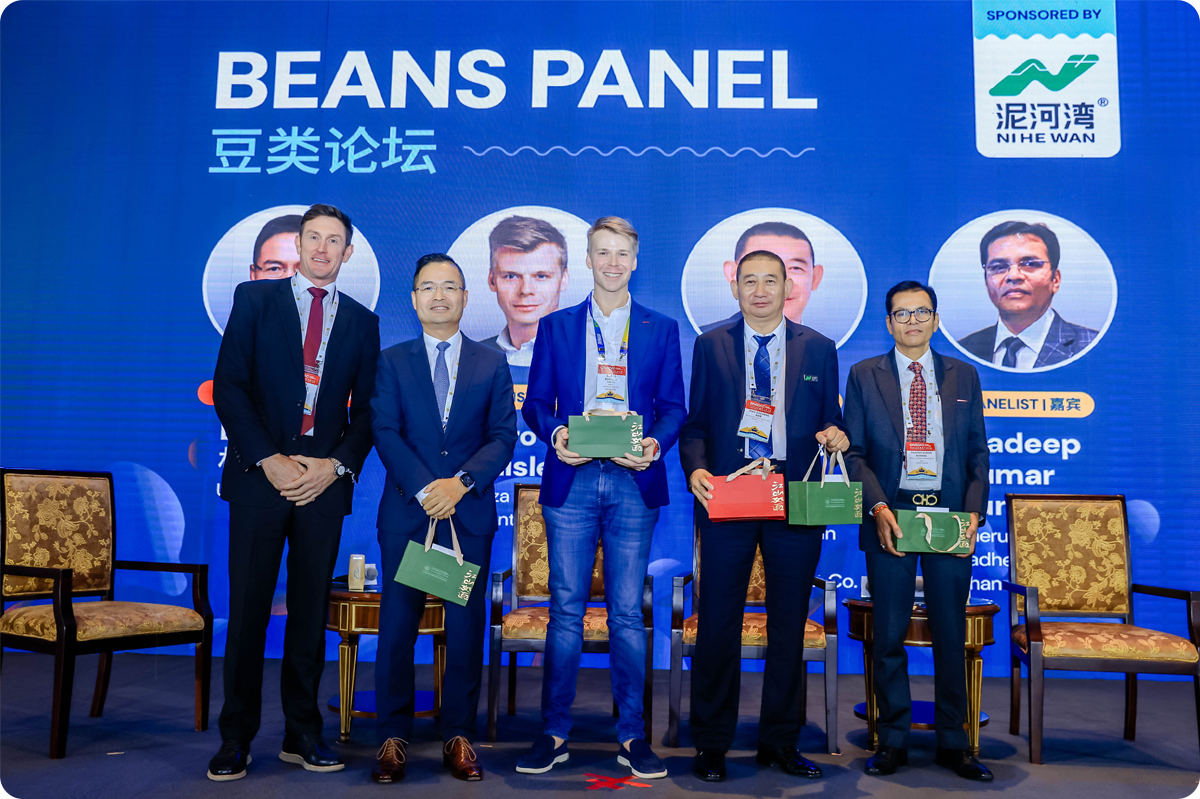
India’s expanding LSKB production is emerging as a key factor for the international market, with this year’s crop estimated at around 70,000 tons, up from 60,000 tons last year, against consumption of approximately 95,000 tons. With a favorable monsoon, imports could fall to around 20,000–25,000 tons, significantly narrowing the window for suppliers. Brazil-origin LSKB is currently too expensive against domestic Indian beans, while China will also need competitive pricing to secure business. India’s DRKB production is also increasing, estimated at around 79,000 tons, although the country continues to import from Myanmar, Brazil, Argentina and other origins when prices allow.
Brazil’s own domestic market is meanwhile limiting export availability. A smaller carioca crop is increasing local demand for LSKB and DRKB, pushing prices higher and making exports less attractive unless international values rise above domestic benchmarks. Black beans remain more flexible, with Brazilian companies able to move between importing and exporting according to price and logistics. In China, better harvest conditions following three difficult, rain-affected seasons could improve red kidney bean quality, with production in key areas estimated at 300–350 kg per mu. However, existing stocks and the new crop will require export outlets, while India’s reduced import requirement could put pressure on prices. The panel also highlighted tighter white kidney bean supply in Poland and continued importance of Argentina and the United States for DRKB, while Brazil sees potential to develop carioca beans as an alternative to LSKB in India.
WATCH THE FULL PANEL DISCUSSION
READ THE FULL ARTICLE
Qingdao Pulses Congress / beans / kidney beans / LSKB / DRKB / India / China / Brazil / beans trade / beans market


Disclaimer: The opinions or views expressed in this publication are those of the authors or quoted persons. They do not purport to reflect the opinions or views of the Global Pulse Confederation or its members.