August 13, 2026
Mike Anderson, President of Anderson Northwest, shares his take on the North American pea market and the shifting dynamics between the big global players in 2026/27. He explains where stocks really stand after a summer of tight supply, why this harvest looks set to deliver after years of weather setbacks, and the quality edge that keeps one key Chinese market coming back for US peas time after time.


This seems to be roughly accurate; I’d put the number of acres at a little less. In the Pacific Northwest (PNW) growing region — Washington and Idaho states — the harvest looks at a minimum to be at historical yield levels with very good quality. There is some concern on fires recently for other pulses that have not been harvested yet, such as lentils, chickpeas, and dry beans.
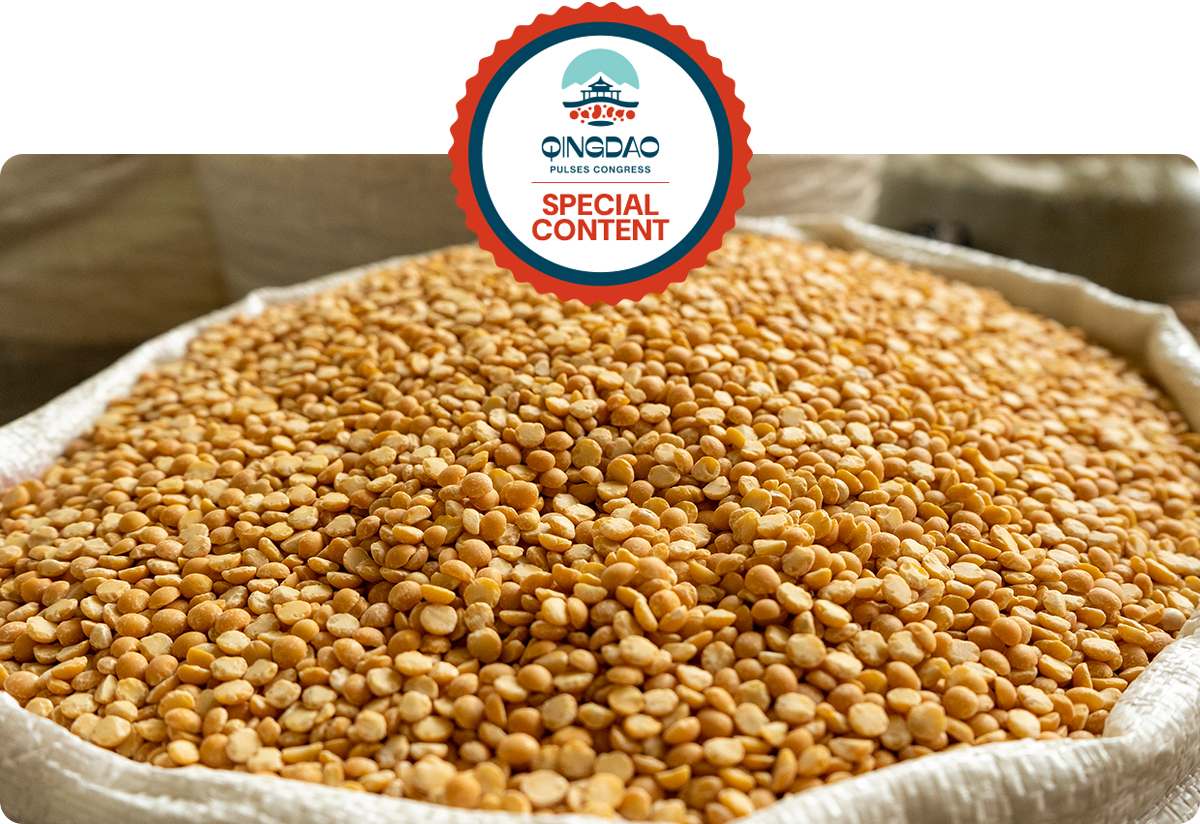
China’s yellow pea demand remains a key force in global trade, with imports supplying animal feed, starch and protein processing, and snack food markets.
The dry pea harvest in the PNW is just finishing. This is the first time in over 6 years that we can say we have at least historically average yields for dry peas. Obviously in 2021 we had a once in a generation drought, but over the following years we still experienced 70% yields on average because of weather issues during planting, growing or harvesting. Other pea growing regions in the USA, such as Montana, North Dakota, and South Dakota are seeing weather conditions that will most likely suppress production; much like the Canadian prairies. Other smaller production states have severely limited acres planted of pulses because of export prices.
With current grower pricing and logistical/geopolitical export conditions over the last 18 months, most of the current US pea production is for long term export customers or domestic customers that value consistent visual, physical, and cooking quality that USA peas are famous for delivering.
Great question. I had this exact discussion with another board member of USA Pulses in June; there have been consistent global industry reports that there will be a larger than normal USA pea carryover heading into 2026 pea crop harvest. I question that assessment, mainly because there were some later-than-normal sales this spring because of geopolitics. Moving forward into July — prior to the beginning of pea harvest — there was no open supply at quantity. A lot of cross conversations and asks within the USA trade for buyer demand, with no supply available.
Discussing the 2026 new crop, it looks to be a typical divide between green and yellow peas, roughly 1/3 green peas and 2/3 yellow peas. Almost all USA grown yellow peas are used for protein, pet food, and USA government aid programs – with a little going in other directions.
Regarding green peas, a majority is used for domestic demand, but there are some exported into premium export markets. This is split into two market categories. The first category is a higher quality product at volume, compared to competing origins. Most of these green peas are grown in Montana and North Dakota. The second category is a little more niche and tends to demand a premium — Washington state and Idaho green peas. These tend to go to high end export markets that demand consistent quality across all factors. For a new buyer, the common quality aspects that matter are color and physical quality; however the knowledgeable export buyers understand the true quality, worth the premium price, is the cooking consistency for the end food manufacturer and consumer. This is where USA green pea exports excel, as proven over decades by Washington state and Idaho exporters.
I believe in the western regions of US and Canada the pea crops have been overall unaffected by weather for the first time in years, creating at least average yields with good quality peas. It seems that the El Nino impact may have affected the middle of the continent more regarding yield, however we are still finishing harvesting.
China's total demand for yellow peas is approximately 2 to 2.5 MMT. This demand consists of 1.5 MMT for animal feed, which includes pet food, pigeon feed, and regular feed; 600 KMT for starch and protein processing; and 200 KMT for snack food. The main suppliers of yellow peas are Russia and Canada, although some yellow peas from Canada are reported to originate from the USA. The projected tighter supply is a global concern that depends on various factors, including global supply dynamics, weather conditions, and logistical issues out of the Black Sea and Middle East.
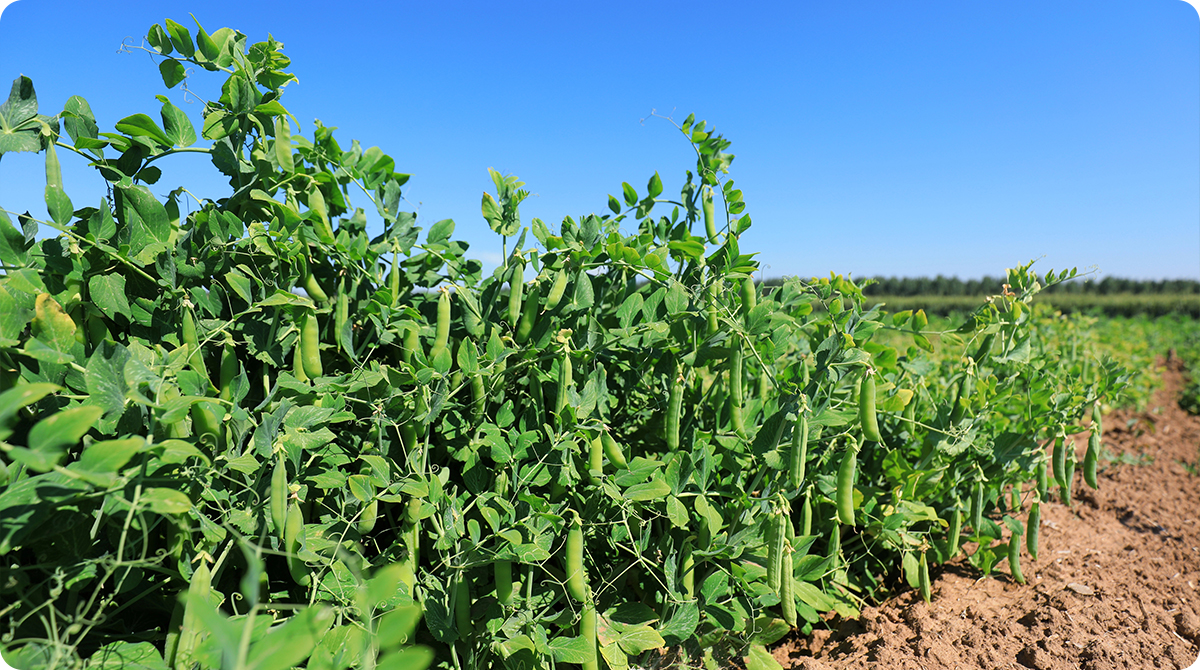
North American dry pea production is showing signs of recovery, with the 2026 crop expected to deliver at least historically average yields in parts of the western US after years of weather-related setbacks.
Maybe, considering China’s demand is stable. It's important to consider the volume of yellow peas used for feed in China and North America. This usage is also influenced by the prices of soybean meal and corn. If those prices are higher than that of yellow peas, the feed industry will likely increase the percentage of peas in mixed feed formulations. All of this demand in China was historically supported by Canada, with Russia creating a foothold in the last few years.
In my opinion, it has a very small impact. The volume of Canadian pea starch imports is relatively small; even with reaching 24 KMT in 2025, it pales in comparison to the hundreds of thousands of metric tons of yellow peas imported from Canada. Perhaps the anti-dumping tariff on Canadian pea starch will incentivize an increase in the import volume of yellow peas instead from Canada.
We anticipate a good year for US pulse exports to China, particularly with the removal of the additional 10% tariff on US pulses hopefully soon, including dry peas, lentils, and dry beans. We are also awaiting the potential market access for US chickpeas. US pulses have a strong reputation for quality in China, and we believe there will be consistent long-term demand for high-quality US pulses in the Chinese market.
The quality USA farmers and exporters have consistently supplied to China for decades can be seen in the major market disruption caused by China importers attempting to replace their quality demand with imports from other origin countries. The end Chinese food manufacturer and consumer was not pleased with the quality of peas from other origins that were introduced during the USA/China trade war of 2025.

Global pea trade / North American peas / China pea demand / Russian peas / US pea exports / pea market outlook.


Disclaimer: The opinions or views expressed in this publication are those of the authors or quoted persons. They do not purport to reflect the opinions or views of the Global Pulse Confederation or its members.