July 9, 2026
China has announced a preliminary tariff on Canadian pea starch, reigniting questions about the durability of the Canada-China pea trade thaw. But with whole pea exports holding steady and industry voices split on the tariff's true motive, the picture is more complicated than it appears.

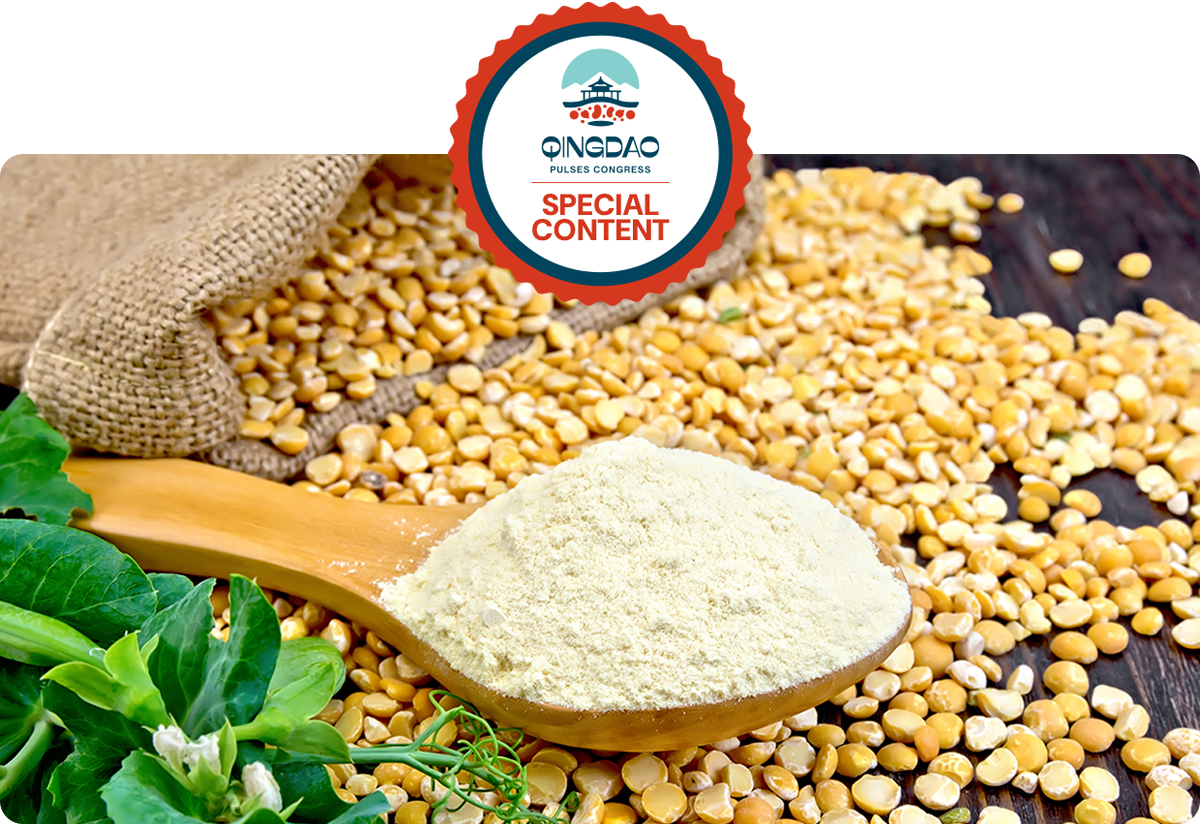
China's preliminary anti-dumping tariff targets Canadian pea starch following complaints from domestic manufacturers about rising Canadian imports.
On June 30, China's Ministry of Commerce (MOFCOM) confirmed a preliminary anti-dumping ruling against Canadian pea starch, requiring importers to post a cash deposit equal to 73.5% of customs-assessed value, effective July 1.
For now, it seems the wider dry pea industry — so key to commercial relations between the two countries — remains untouched, after a cessation of Chinese tariffs on Canadian dry peas back in March.
To dig deeper into the root cause and ongoing impact of this new tariff, we spoke to industry insiders to see where things stand today and what the future may hold.
From the Chinese market perspective, there may be strong commercial reasons for the imposition of a tariff. The imported starch market is relatively small (approximately $10 million in year-to-date 2026, according to John Babcock of Global Affairs Canada), especially in comparison to whole dry pea commerce between Canada and China. However, there is a significant domestic starch demand for use in the production of vermicelli and jelly noodles, which means growing imports could feasibly have impacted domestic producers.
Sun Kai, from the China Chamber of Commerce of Import & Export of Foodstuffs, Native Produce & Animal By-Products (CNFA), stresses that the tariff is designed purely to protect the local market, given recent rises in Canadian pea starch imports: "In 2024, Canada's exports of pea starch to China surged by 316.1% to 19.8 KMT, continuing to climb to 24 KMT In 2025, accounting for 71.26% of China's total imports. The fact that a 20.9% growth rate was still sustained on such a massive base fully underscores the strong inertia and persistence of the business model characterised by allocating costs through high-margin primary products and dumping by-products at low prices.”
"This dumping practice," continues Kai, "has severely disrupted the domestic pricing mechanism for pea starch in China, resulting in severe inventory backlog and widespread financial losses for domestic enterprises.”
This sentiment was echoed by MOFCOM, who told the South China Morning Post that the dumping has "caused material damage to the domestic pea starch industry.”
Speaking to the Western Producer last week, the president of Pulse Canada, Greg Cherewyk, provided different totals for Canadian pea starch sales to China, suggesting overall sales topped out at 4 KMT in 2023, rising to 16 KMT in 2024.
As for the motivations behind the new measures, Cherewyk described the tariff as "a function of commercial interests (in China) protecting their interest.”
The question now is how China and Canada's larger commercial relations may be affected by this tariff, if at all. The answer may come down to whether this tariff is seen as a political, rather than a reasoned protective measure.
Sun Kai stresses that the tariff itself is not political: “I need to emphasise that the anti-dumping measures targeting pea starch are not politically motivated. Rather, they represent a standard legal recourse employed by Chinese enterprises to safeguard their legitimate rights and interests, serving as a direct response to the appeals of the domestic industry.”
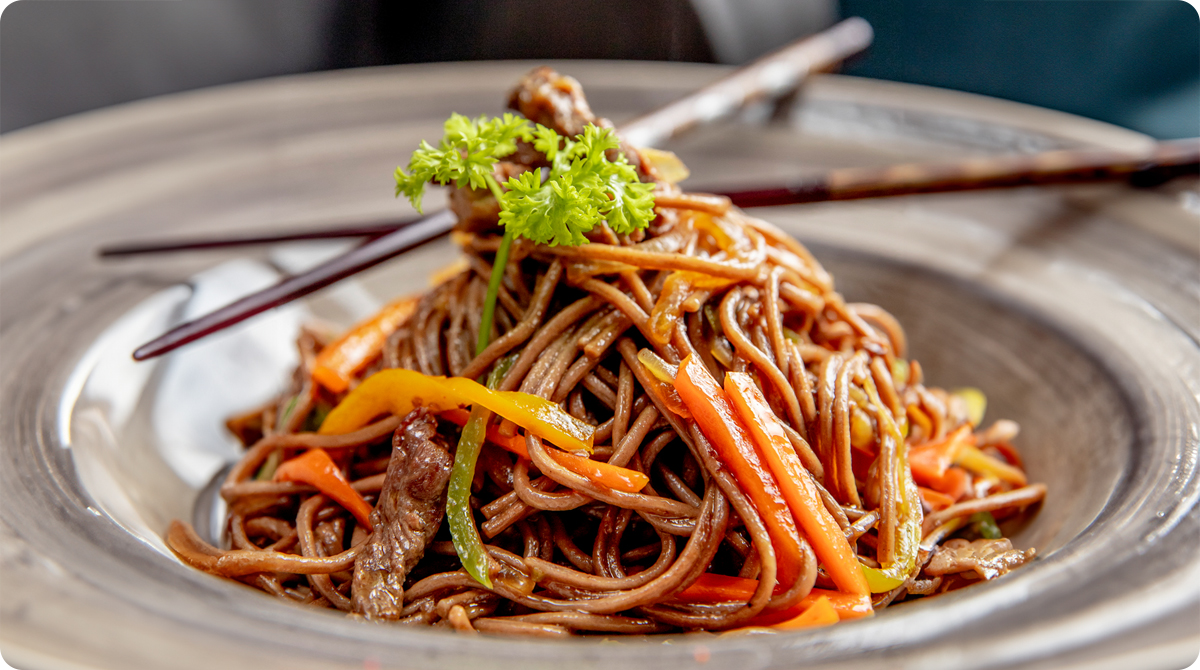
Pea starch is a key ingredient in China's vermicelli and jelly noodle production, supporting strong domestic demand.
Brian Clancey believes the tariff may not be a positive sign with regard to ongoing tensions.
“Whether or not they decide to go after the whole peas again, I don't know, but this (the tariff) does illustrate the fact that there is ongoing trade tension between Canada and China. If we aren't nice to China, China's going to hit back on something that's important to us.”
“The concession that Canada gave on electric cars was very, very helpful and opened the way for peas and canola to enter China without the 100% duty. If we backtrack on that, we're going to be back where we started. It's all a question of whose trade is more important. China sells very, very little to Canada, and Canada sells a lot to China, so China has more power in the relationship — in terms of agriculture, at least.”
Sales of whole peas into China from Canada is a huge yearly business and is commercially important for both sides of the transaction. On the other hand, pea starch sales from Canada to China added up to $14 million in 2025, according to Greg Cherewyk. This pales in comparison to the reported $700 million-$1 billion approximate annual value of dry pea sales into China in a typical year between 2019-2024.

Sun Kai believes the current tariff may even be a positive for Canadian pea sales, especially in the current economic climate: “Ultimately, trade in primary agricultural products like peas serves as the cornerstone of bilateral relations between China and Canada. In fact, China's anti-dumping investigation into Canadian pea starch practically safeguards the long-term development of bilateral pea trade between the two countries.”
This gives the impression of willingness from the Chinese side of the ledger to continue strong pea imports, which Kai says have recently strengthened in new domestic sectors, such as pigeon feed and animal feed, given the recent decline in pea prices. The prices have provided a boost to the Chinese import demand.
The introduction of this new tariff won't have the seismic economic impact of previous tariffs, and the early reactions read more as a bump in the road than a return to last year’s restrictions. But the margin for complacency may be thin — with ascendant pea producers like Russia waiting in the wings to soak up stray demand, Canadian traders will be keeping a keen eye on the political fallout, and crossing their fingers that the door to the Chinese market remains firmly open.

Qingdao Pulses Congress / pea starch / dry peas / Canada-China trade / anti-dumping investigation / China pulse imports


Disclaimer: The opinions or views expressed in this publication are those of the authors or quoted persons. They do not purport to reflect the opinions or views of the Global Pulse Confederation or its members.