November 25, 2026
We sat down with Ivan Martin of Alimar S.A. to discuss Argentina's upcoming bean seeding and the ups and downs of different beans in 2026. He explains black beans rallying after Brazil's frost-hit crop, and a muted market for red kidneys. He also talks us through the crisis in freight that is seeing prices skyrocket for exporters.


Temperatures were a little unstable in October, with some colder weeks, but we're now entering the hot season. There are some concerns, with El Niño causing problems in some areas. In our region (Salta) we haven't had anything very drastic yet, apart from one town that was hit by a tornado. As for rain, we're still waiting for the right conditions. I expect it will come, because temperatures are already very high, and that brings water.
For now, we'll continue to follow it closely and hope for as calm a season as possible, weather-wise.
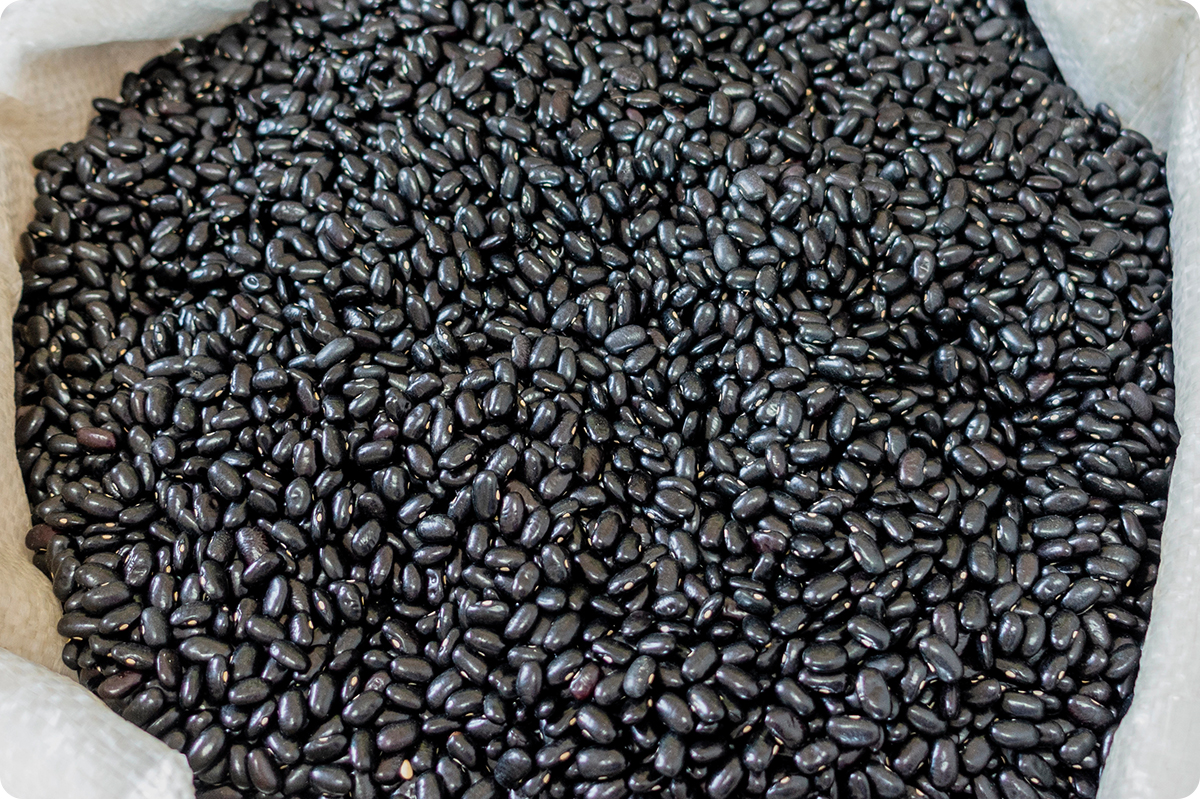
Black beans surprised the market with a sharp price recovery after severe frosts reduced Brazil's production and boosted demand for Argentine supplies.
Whatever happens with El Niño, the producer knows that he will plant and take the risk again, because that's what he does every year. A very important factor is when the rains arrive and when we have good soil moisture.
Our production zone has some areas that only grow beans, but there are many other areas where they have more flexibility. I think many producers will push hard on commodities this year if the weather allows them to increase their area. Why? Because this year, margins, liquidity and productivity have been much better for other commodities, mainly soybeans, than for beans.
It will all depend on early rains. Soybeans and corn are planted early here, in December and January. If the rains don't come, the producer has a plan B: beans in a later planting window, from February to March in our zone.
There's bean seed available, and seed quality has recovered compared with 2024, when we lost a large part of our seed potential.
What I'm hearing from producers is a lot of disappointment. Many had a good season in quantity and quality, but couldn't get good prices or good selling conditions. Traditional producers will carry on. Alimar will always grow beans, because we have regular customers we need to supply. But I think the more flexible producers will switch where they can.
It's been a tough season for all varieties, apart from black beans, which surprised us. They’d had the worst prices and the worst outlook, so producers stopped planting them, here, in the USA and in Canada. Then Brazil had a major weather crisis, with heavy frosts around May that cut its production. Suddenly the market changed drastically, and black beans had the biggest price rise, when they had the worst outlook. A rise could be expected from the smaller area alone, but the size of the jump was largely due to Brazil's crisis, after which they turned to Argentine imports. Demand from North America, Central America and Europe (Spain, Italy and Portugal) has also been steady.
Some varieties haven't risen at all this season. Dark red kidney beans have had a larger global supply, here and in other origins. Given market prices and rising costs here, everything suggests their area will have to adjust next season.
Alubias are grown in a very specific agro-climatic zone, and I think that will stay the same. Prices are trying to firm up because demand remains consistent, which may help keep area at similar levels, although area did fall last season.
Light red kidney beans have faced unmanageable conditions. Their main destination is the United Arab Emirates, and the conflict in the Middle East has hurt us badly. Sea freight has kept the variety from trading normally. Hopefully this is short-lived, and we can close out a normal season.
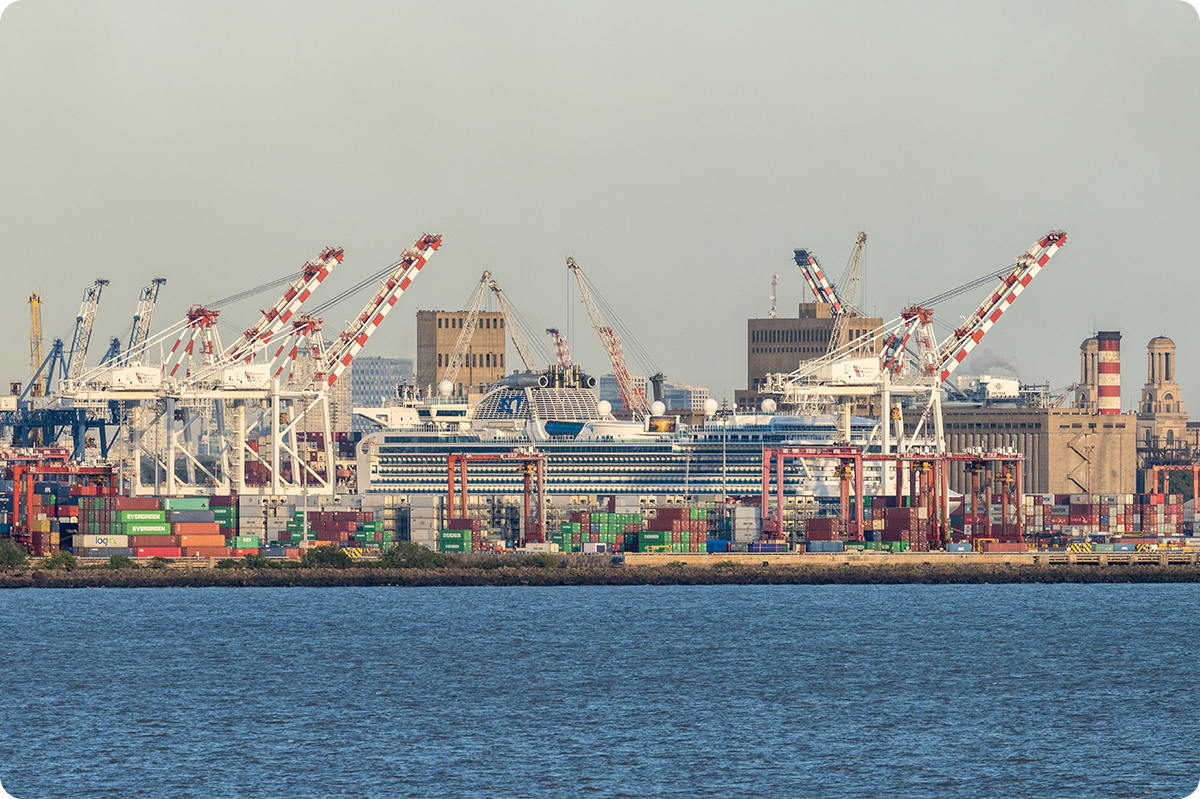
White alubias remain a cornerstone of Argentina's bean export trade, with steady demand from Algeria, Spain and Italy.
Some is still left, but I don't think there are very large quantities overall. Export activity has been normal, and many companies, including us, have shipping programmes for December, January, February and March. There are still commitments to cover, but I don't think there's an unsold exportable surplus that could cause problems.
For some varieties, such as black beans and alubias, it's quite difficult to find product to do more business. Producers with more financial strength have already sorted out their finances, and exporters with product in hand are waiting for prices to improve.
This year, Algeria surprised us with steady demand through almost all of the first months of the season, and some orders are still coming in. Demand from Spain, Italy and Europe in general has been what we expected, perhaps calmer, with buyers making gradual purchases rather than large orders. We still have demand from these countries.
Unlike last year, Brazilian demand is starting to pick up again. We're receiving inquiries, which was to be expected after its weather problems.
The difficulty is getting more product. We've also had a year of large bean sizes. In theory that means better prices, but the canning industry has its limits, and some sizes aren't preferred or accepted. Some lots still available, at 150–160, are proving hard to sell at a higher price. But overall, demand is firm.
It varies a lot. For light red kidney beans, the UAE is a normal destination, and the increase to Jebel Ali has been absurd; it takes you out of the game. Increases to Europe haven't been on that scale, but working with such tight margins and costs, any rise of 25%, 30% or 40% is drastic.
In Argentina, we also have to consider inland freight from the field to the processing plants, which has risen by more than 40–50% because of higher fuel prices. Freight has been the main factor that has changed the rules of the game. It all ends up in the producer price. I sell abroad on a cost and freight basis and work backwards to the price for Alimar's members or for the producer. This season, quality and volume should have made it a much better year, but costs have been devastating.
Egypt is already part of the market every year, and it adds some dynamism, especially because it is so close to the main destinations. We haven't noticed any difference in its exports. In Algeria's tenders, Egypt had its own and we had ours, and some European customers buy from Egypt regularly.
But Argentina still has a big advantage in consistency and continuity. Apart from drought years such as 2013 and 2024, when we couldn't supply as we should, buyers abroad count on Argentina. The key is to keep improving seed and quality, because the way seed is reproduced here is our weak point.

Argentina bean production / agricultural planting intentions / global bean trade / black bean market / maritime freight costs / South American pulse exports.


Disclaimer: The opinions or views expressed in this publication are those of the authors or quoted persons. They do not purport to reflect the opinions or views of the Global Pulse Confederation or its members.