January 14, 2026
The 2025–2030 U.S. Dietary Guidelines reset nutrition priorities, sharpening their focus on whole foods and protein quality. Pulses remain nutritionally central — though intake targets reflect a more cautious story.

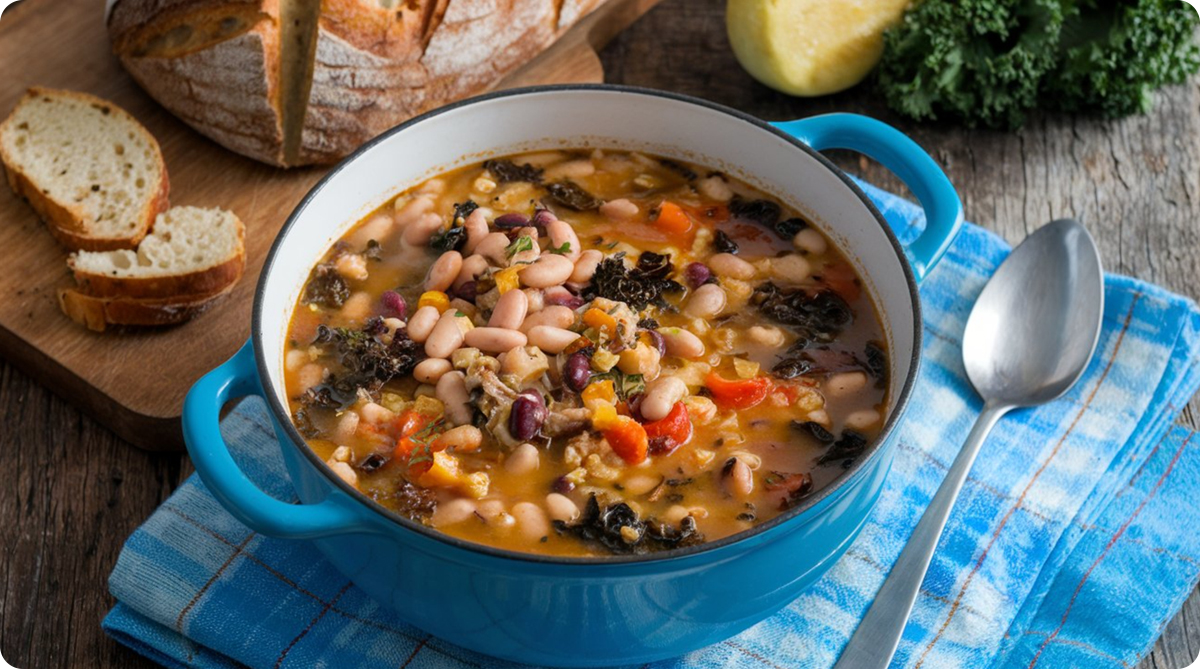
Pulses are recognized as nutrient-dense whole foods in the 2025–2030 U.S. Dietary Guidelines, even as intake targets are not newly defined.
On January 7, 2026, the U.S. Departments of Health and Human Services (HHS) and Agriculture (USDA) unveiled the Dietary Guidelines for Americans, 2025–2030, marking what officials are calling the most significant reset in federal nutrition policy in decades. At its heart is a simple yet bold message: eat real food — with a renewed focus on whole, minimally processed foods and higher-quality protein sources.
The new guidance ramps up protein recommendations, emphasizes vegetables and fruits, and pushes Americans to dramatically reduce highly processed foods, added sugars, and refined carbohydrates. While full-fat dairy and traditional proteins like meat and eggs receive more space than in past editions, the guidance on plant foods — especially pulses — reinforces their role within a whole-food dietary pattern.
The Dietary Guidelines Advisory Committee (DGAC) — the scientific body that shapes the evidence base for each edition — previously recommended moving pulses (beans, peas and lentils) into the Protein Foods Group and increasing weekly intake recommendations from around 1.5 cups per week. Those proposals were not adopted in the final policy document.
Under the newly released guidelines, pulses are included in the Vegetable Group and are also listed under the Protein Foods Group because of their protein contribution, as shown in the official companion file, published alongside the concise main document, which provides tables of food group examples and serving equivalents by calorie level. This dual framing is unchanged from previous editions.
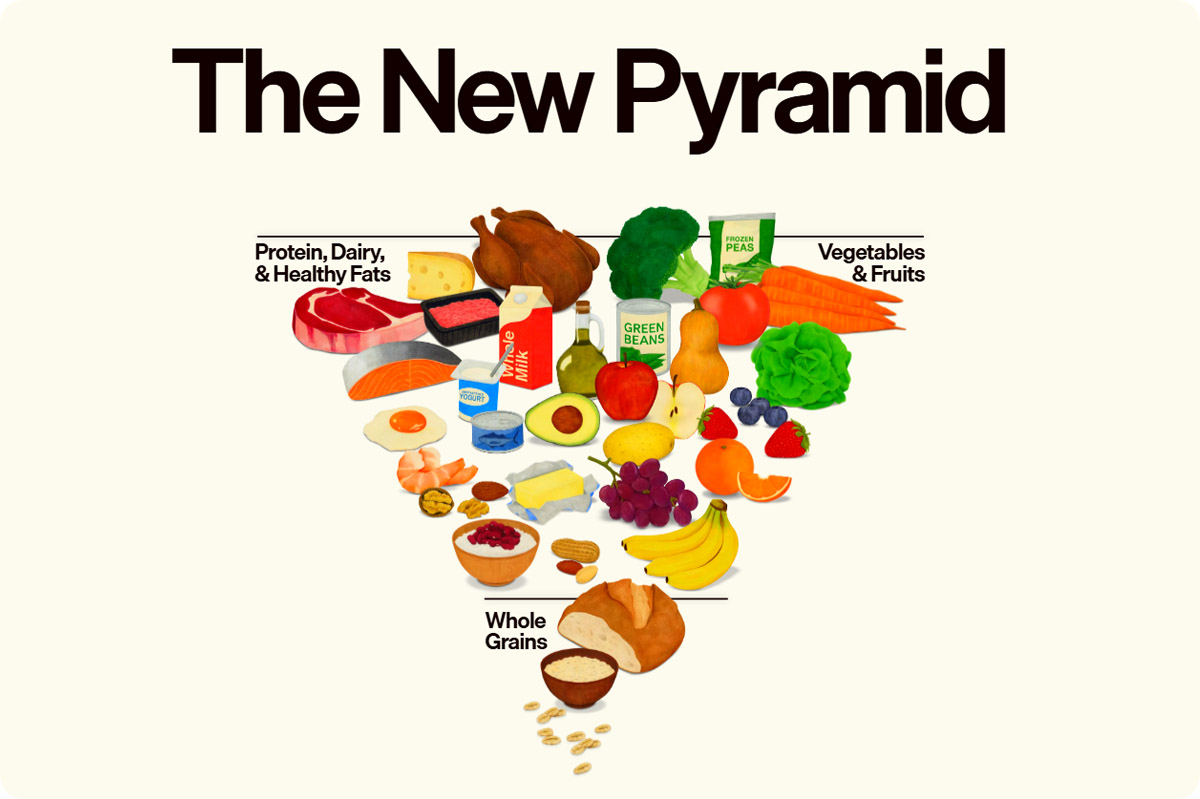
Source: realfood.org
The Advisory Committee had also suggested that increasing pulse intake to around 2.5 cups per week would better align dietary guidance with evidence on fiber inadequacy, cardiometabolic health and plant-based protein quality. Instead, the final guidelines emphasize dietary flexibility, positioning pulses as one of several whole-food options that contribute protein, fiber and key micronutrients.
For adults following a 2,000-calorie diet, the current recommendation remains at 1.5 cups per week of beans, peas and lentils. No new daily or weekly intake target was introduced in the 2025–2030 guidelines.
However, the broader nutritional framing has evolved. The updated guidelines repeatedly highlight fiber as a nutrient of concern and promote foods that deliver multiple nutritional benefits in a single serving. Within that narrative, pulses are consistently referenced as nutrient-dense, whole foods — a framing that aligns closely with current public health priorities.
Yet consumption patterns remain stubborn. In the absence of higher intake benchmarks, future momentum may hinge less on classification and more on how pulses are translated into menus, programs, and everyday eating habits.
The new guidelines reinforce what nutrition science has long recognized: pulses belong at the center of a healthy diet. Whether future editions will pair that recognition with clearer signals on consumption remains an open question.


Disclaimer: The opinions or views expressed in this publication are those of the authors or quoted persons. They do not purport to reflect the opinions or views of the Global Pulse Confederation or its members.