June 30, 2026
A chickpea program in Tanzania is providing farmers with seed, mechanization, extension services and market support. Early results suggest the initiative is improving access to inputs while also reshaping the local seed market.

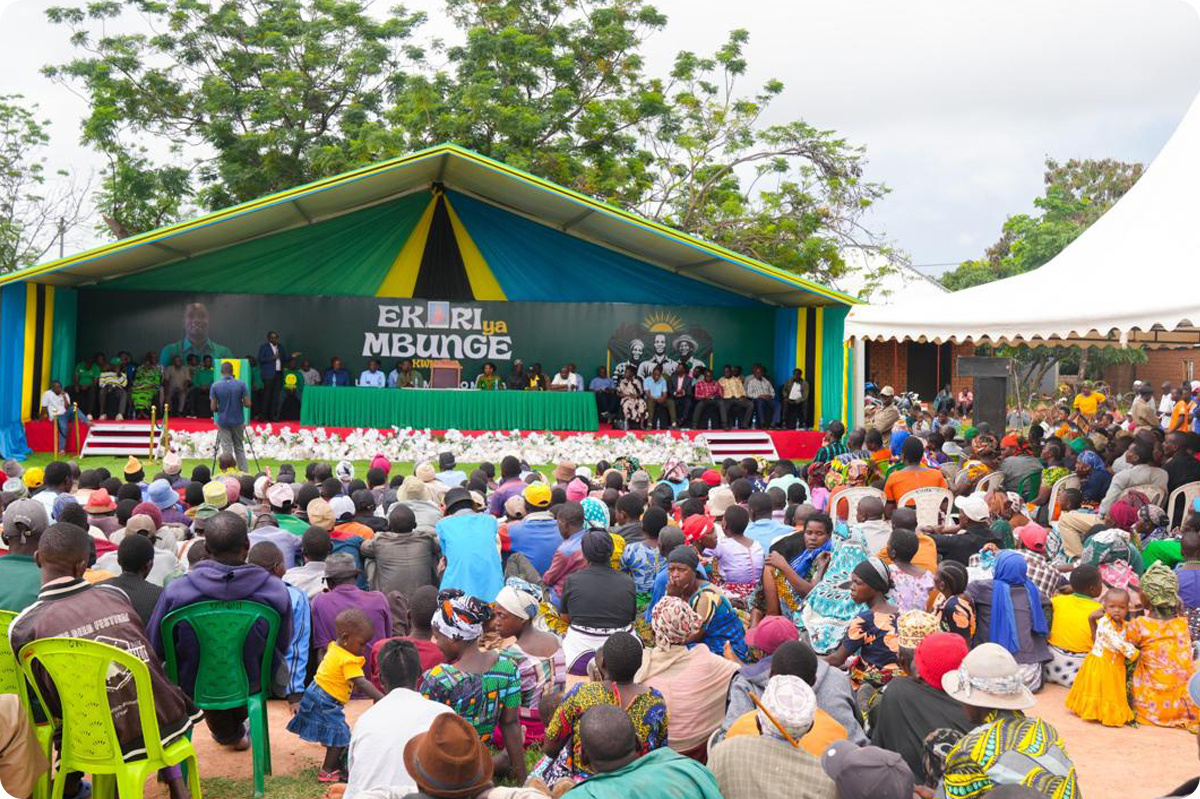
Farmers and local officials gathered for the launch of the Ekari Ya Mbunge Programme in Kwimba, Tanzania, in March 2026.
March 2026 marked the launch of the Ekari Ya Mbunge Programme, a major chickpea support initiative for farmers in Kwimba, Tanzania. At the launch, the newly elected Member of Parliament for Kwimba Constituency, Mr. Cosmas Mtesigwa Bulala, announced that the program would provide, at no cost, 15 tractors—one for each of the constituency's 15 wards—700 tons of chickpea seed, an extension officer for every ward, soil-testing kits for chickpea-producing wards, motorcycles for extension officers, and other agricultural support.
More recently, an international company committed to purchasing chickpeas from participating farmers at a minimum price of 800 shillings per kilogram if market prices fell below that level. Depending on market conditions, it expects to pay more. This arrangement would provide participating farmers with a degree of protection against price fluctuations.
The company also plans to pay farmer groups a commission of 30 shillings for every kilogram collected in their respective wards. Should a buyer purchase 5,000 tons of chickpeas from a particular ward, the group could earn commissions totaling 150 million shillings. This would be in addition to the prevailing purchase price, and the groups themselves would decide how to use those funds.
According to its organizers, the program aims to help lift more than 20,000 residents of Kwimba Constituency out of poverty by supporting their primary agricultural activity.

The initiative supplied one tractor to each of Kwimba's 15 wards as part of its support package for chickpea producers.
By April 2026, the announced inputs had been delivered to farmers ahead of the new chickpea production season. Farmers received seed in their respective wards and villages, while tractors were handed over to ward leadership committees. Extension officers were hired and equipped with motorcycles and soil-testing kits.
Training was subsequently conducted by pulses experts led by Dr. Said Silim, a world-renowned pulses breeder. During his time at the International Crops Research Institute for the Semi-Arid Tropics (ICRISAT) in Nairobi, Kenya, he developed the pigeon pea and chickpea varieties currently grown across East and Central Africa.
At the time of publication, about 98 percent of farmers in Kwimba had already sown the seed, and many fields had turned green.
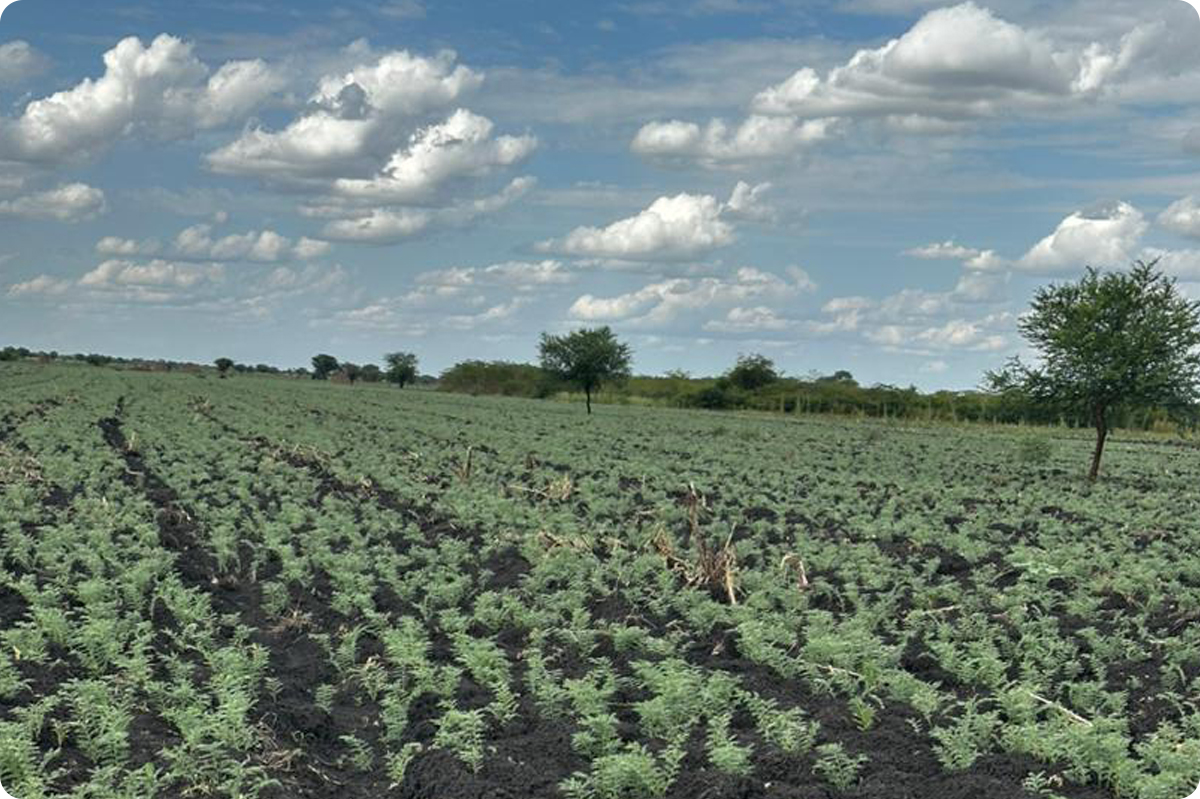
At the time of publication, about 98% of farmers in Kwimba had already sown their chickpea crops as the program entered its first production season.
One of the programme's early outcomes has been its broader impact on the local seed market. While the target was to supply inputs and related services for one acre per household, many families cultivate multiple acres and therefore needed to purchase additional seed for the remaining land.
Usually, at a time such as this, farmers would be buying seeds from traders—who largely buy chickpeas and other crops at the end of the season—at 12,000 shillings per kilo. However, following the intervention of the Ekari Ya Mbunge Programme, the price of commercial seed has fallen to 4,000 shillings per kilogram—a decline of nearly 70 percent.
Farmers in Kwimba said they expect higher yields this season as a result of lower input costs and improved access to seed.
The decline in seed prices is a straightforward example of supply and demand. When demand remains constant and supply increases, prices tend to fall. Conversely, when demand rises while supply remains constant or declines, prices tend to increase.
In the Kwimba case, the number of farmers has remained relatively constant, but the supply of free seed changed the trajectory. Suddenly, there was too much seed in the market, which reduced farmers’ demand for commercial seed. To stay in business, seed traders were forced to lower their prices.
Whether this market effect was anticipated or not, the program appears to have had a significant impact on local seed availability and prices. Its longer-term effects on productivity and farmer incomes will become clearer over the coming seasons.

Tanzania / agriculture policy / smallholder farming / rural livelihoods / input markets / price dynamics.


Disclaimer: The opinions or views expressed in this publication are those of the authors or quoted persons. They do not purport to reflect the opinions or views of the Global Pulse Confederation or its members.