October 21, 2026
Pulses are already a platform for food-system innovation, not simply a commodity or a substitute. In his speech, the GPC CEO highlighted how the industry can unlock their potential through stronger value chains, more appealing and affordable food products, and opportunities that connect nutrition, sustainability, and commercial growth. Explore some of the insights shaping the future of pulses — now.
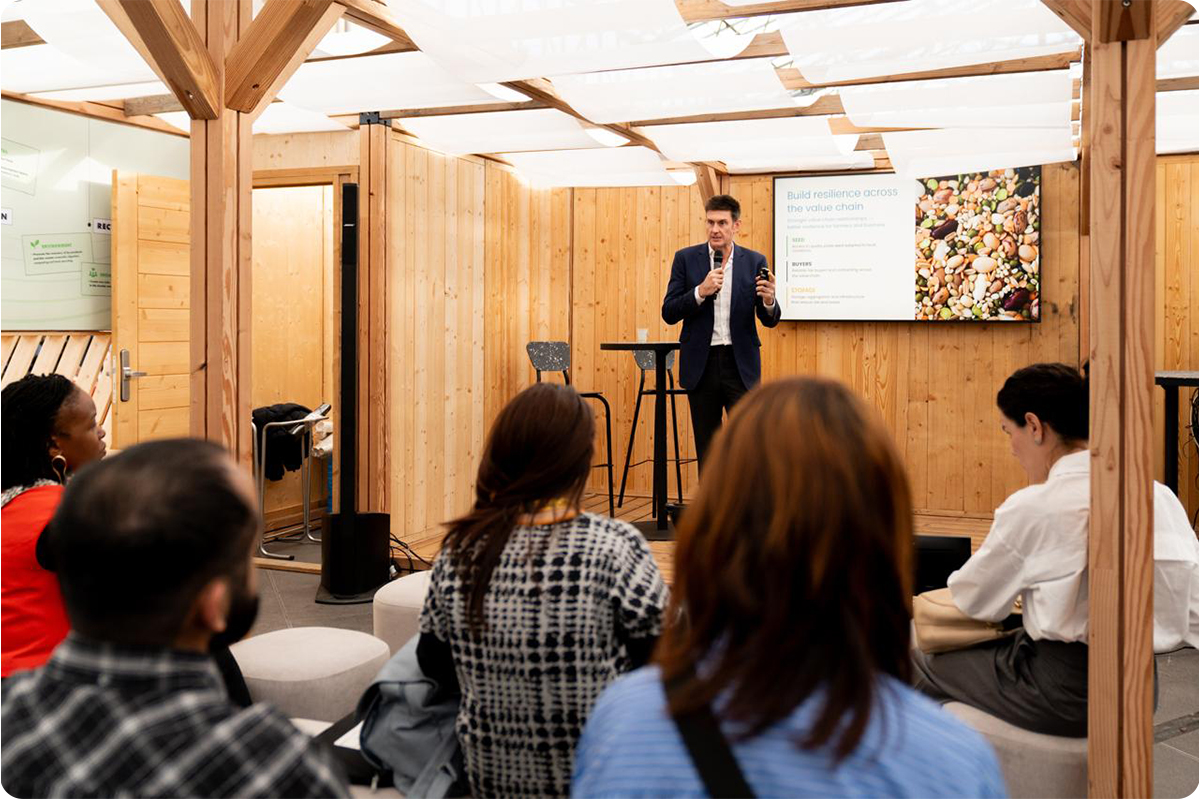
GPC CEO Ryan Perkins spoke at SIAL Paris 2026, highlighting how pulses can help address interconnected challenges across the food system.
“When we talk about food-system transformation, we often look for something entirely new: a breakthrough technology, a novel ingredient or a revolutionary production system. But sometimes the breakthrough is already in front of us. Sometimes it is already on the plate. Pulses are not a niche ingredient. They are not a temporary trend. And they are not simply a substitute for another food. They are a platform for innovation across the food system.
My message today is simple: The next food-system breakthrough may not be something completely new. It may be something we already know, but whose full potential we have not yet unleashed.”
“We need to provide nutritious food for a growing and urbanising population. We need to reduce environmental pressures. We need to adapt to climate change. We need to strengthen supply chains. We need to support farmers. And we need to respond to consumers who want food that aligns with their health, environmental and ethical priorities.
These are not separate challenges. Yet our responses are often organised as though it does. Soil health belongs to agriculture. Nutrition belongs to public health. Farmer income belongs to development. Consumer choice belongs to marketing. Innovation belongs to R&D.
Pulses help us connect these conversations.”
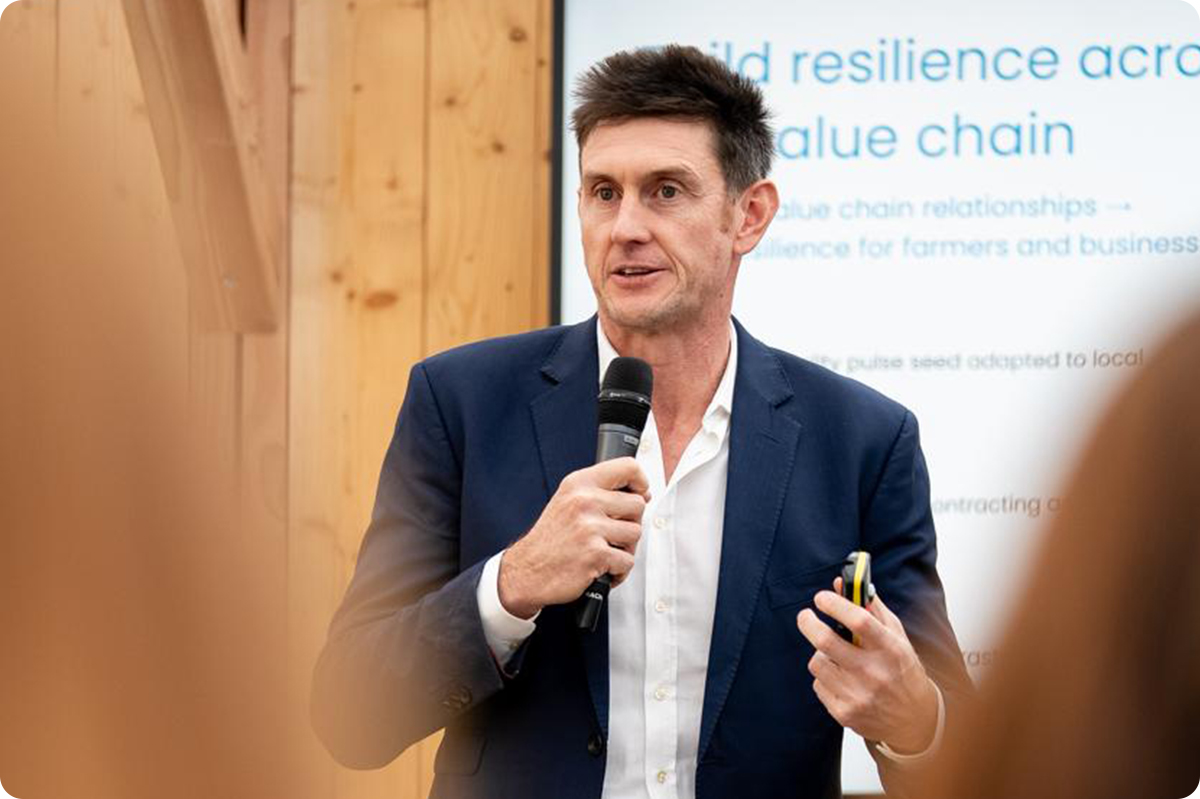
The international food trade show brings together food businesses from around the world to explore new ingredients and consumer trends.
“The food-system transition must work for the people who grow the food. If sustainability does not create value for farmers, it will not be sustainable. But we should be clear: simply creating demand is not enough. Before you scale demand, ask three questions: Can farmers access quality seed? Are there reliable buyers? Is there enough storage and aggregation?
These questions are not only matters of social responsibility. They are also business questions. When businesses build stronger relationships throughout the value chain, they can improve resilience for farmers and for themselves.”
“Consumers make choices based on taste, price, habit, convenience, identity and trust. This is one of the most important lessons for the food industry: Consumers do not adopt food-system transformation as an abstract concept. They adopt meals.
They adopt products that taste good, fit their routines, meet their budgets and feel relevant to their lives. So the opportunity is not to lecture consumers into changing their diets. The opportunity is to create food that makes positive change easy, attractive and enjoyable.”
“Globally, school meal programmes reach approximately 466 million children, an increase of around 80 million since 2020. The World Food Programme estimates that every USD 1 invested in school meals can generate approximately USD 7–35 in economic returns, depending on the context and methodology.
That makes school meals more than a nutrition programme. They are a potential market-shaping mechanism.”
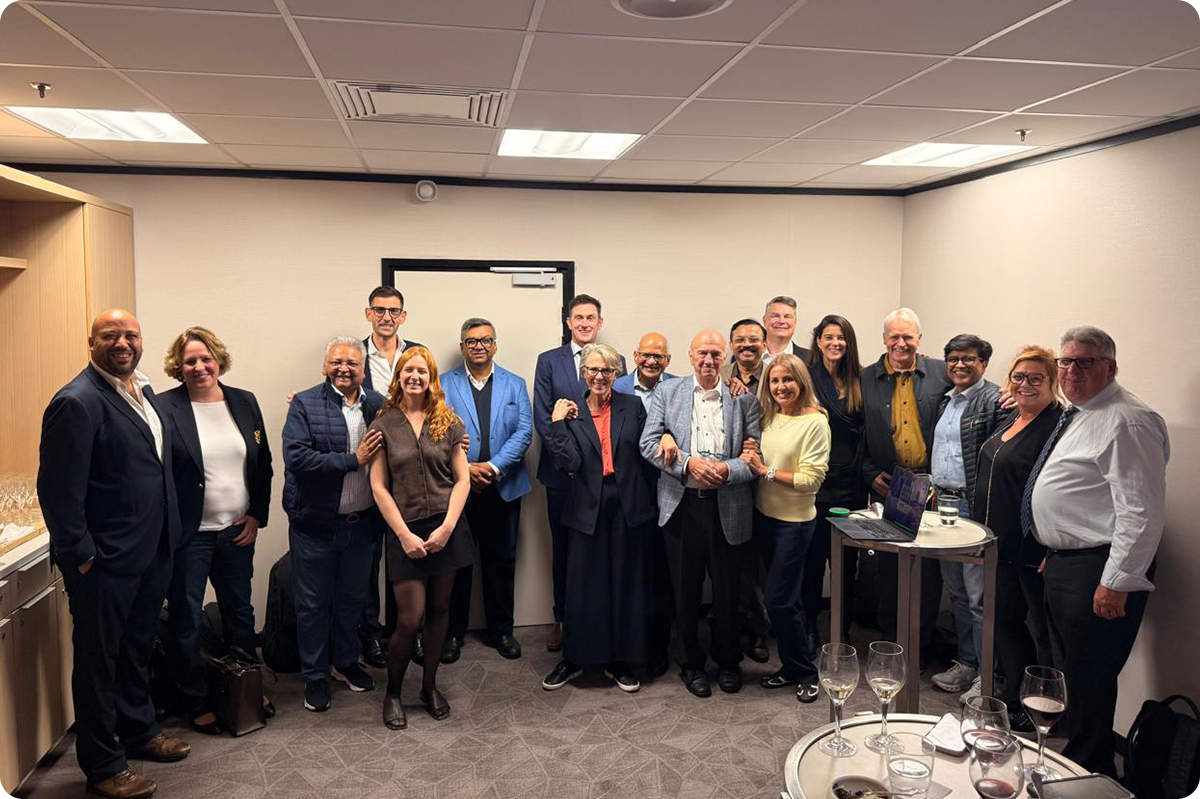
GPC members joined the event, including GPC President Vijay Iyengar. This edition marked 30 years of SIAL Innovation, recognising breakthrough concepts across the food industry.
“The better question is not simply: What can pulses replace? It is also: What can pulses enable?
They enable more fibre in everyday foods, more affordable meals and new product formats. That looks like beef and beans on the same plate, or wheat pasta made with lentils. A study by Pulse Canada showed that replacing 33% of the beef in a hamburger patty with lentils reduced carbon emissions by 33%, lowered calorie content by 12%, and decreased production costs by 27%.”
Pulses align with multiple food trends
“The real point is that pulses do not depend on one trend. They play in several at once: protein, gut health, clean label, value, sustainability and global flavours. That is a rare commercial position.”
“The pulse opportunity is not limited to convincing consumers to change their identity. It is about giving them more attractive choices for more eating occasions. A pulse-based product can be the centre of a vegetarian meal, a way to reduce the amount of meat in a dish or simply a nutritious ingredient in a family meal. This opens the market to a much larger group of consumers.”
“The strongest commercial strategy will not treat affordability and innovation as opposites. It will use processing, packaging and product design to make pulse-based foods both accessible and attractive.”

SIAL Paris 2026 / pulse innovation / food system transformation / sustainable food / affordable nutrition / flexitarian eating / value chain development.


Disclaimer: The opinions or views expressed in this publication are those of the authors or quoted persons. They do not purport to reflect the opinions or views of the Global Pulse Confederation or its members.