June 3, 2026
Geopolitical tensions, shifting trade rules and stricter compliance expectations are adding new layers of complexity to the pulse business, reinforcing the value of strong relationships, market knowledge and sound commercial discipline.
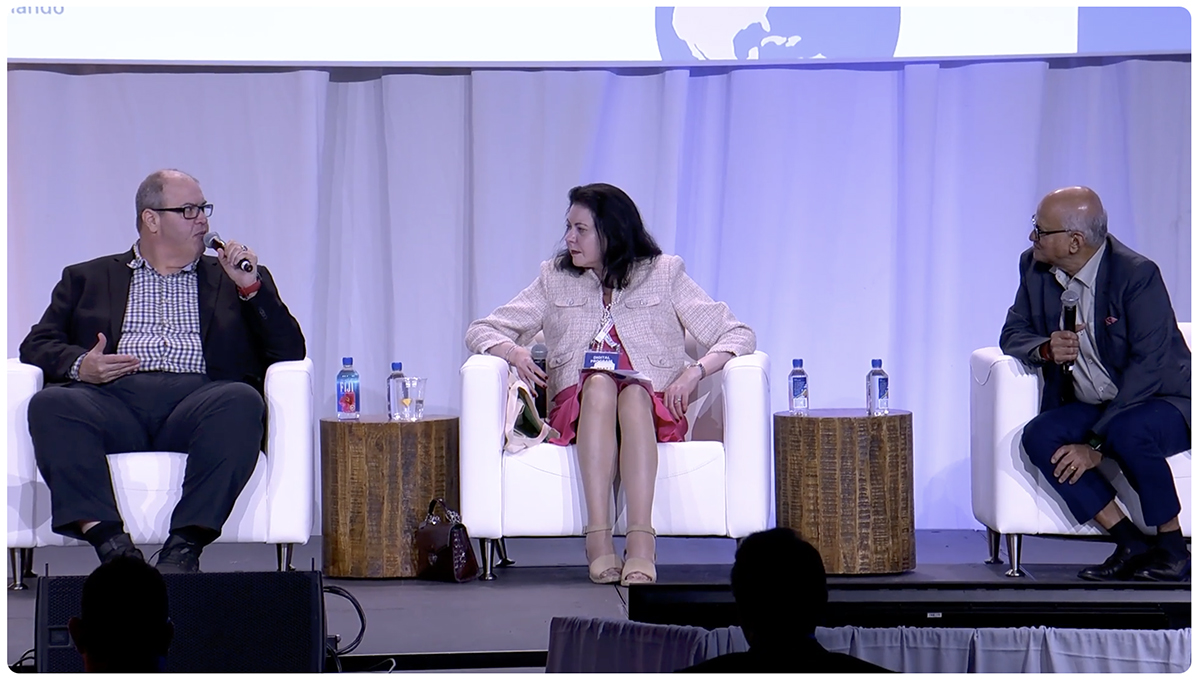
Throughout the discussion, experts emphasized that while recent events such as the conflict involving Iran have intensified concerns around freight costs and contract execution, many of the industry's most significant risks extend well beyond market prices. They highlighted the growing influence of government intervention, food security policies, sanctions regimes and logistics disruptions, all of which are reshaping the operating environment for pulse traders and processors.
Participants also stressed the importance of knowing both markets and counterparties, noting that effective risk management increasingly depends on strong customer relationships, robust compliance procedures and direct market engagement. The session further examined challenges related to contract integrity, liquidity in often illiquid pulse markets, evolving grower behavior, quality management and the growing role of regulatory compliance, particularly around sanctions, anti-money laundering requirements and trade finance.
View the complete session
READ THE FULL ARTICLE
Pulses 26 / risk management / trade compliance / sanctions risk / contract integrity / supply chain resilience / counterparty due diligence


Disclaimer: The opinions or views expressed in this publication are those of the authors or quoted persons. They do not purport to reflect the opinions or views of the Global Pulse Confederation or its members.