February 25, 2026
Over recent years, Kazakhstan has ascended back up the ranks of global red lentil suppliers, ramping up production after some years in the wilderness to become the world’s sixth largest exporter. Sales to export hubs like Türkiye have been revived, driving up farmer interest in planting the crop. However, this year may see a downturn in acres, given a somewhat bearish global market.

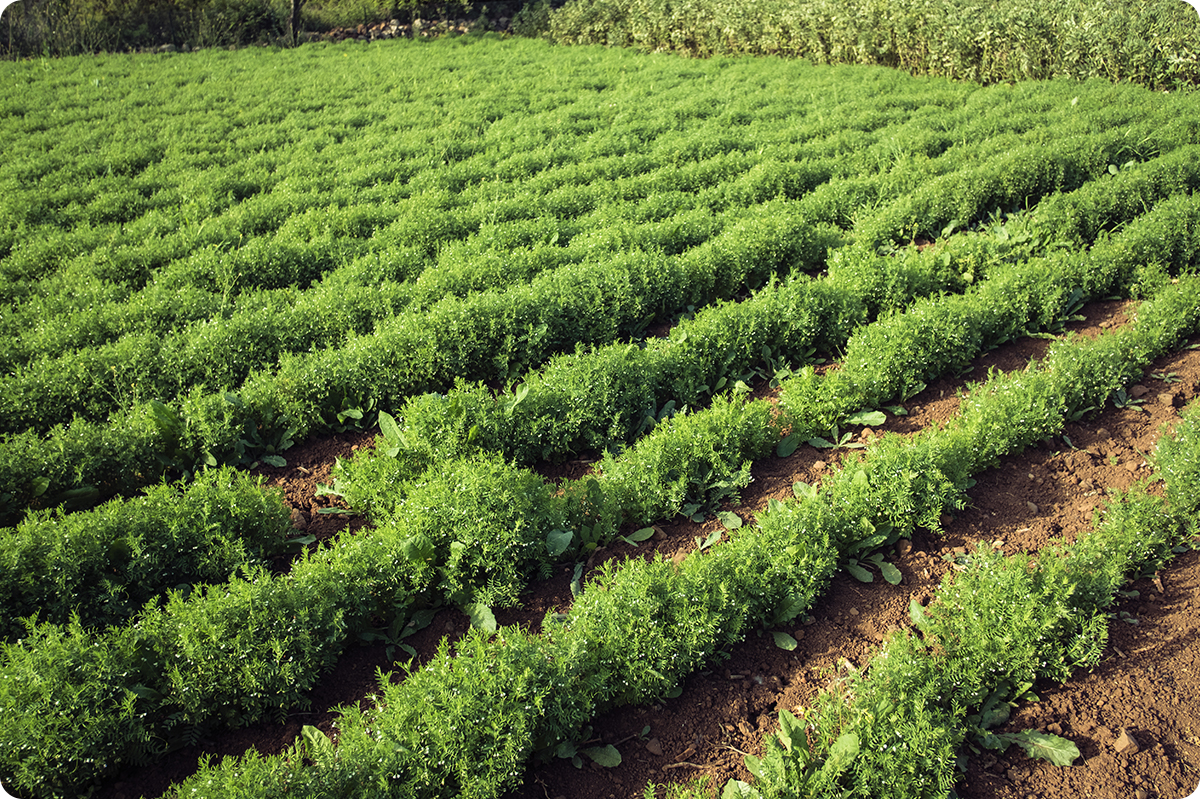
Red lentil acreage in Kazakhstan rebounded strongly after the 2020 collapse to 44 KMT, but 2026 plantings may ease as global supplies build and wheat offers stronger returns.
Back in 2017, Kazakhstan’s red lentil production hit a high of 313 KMT, according to Pulse Atlas data. 2018 saw a notable decline, but that was nothing compared to the cliff edge of 2019, where production fell more than 150 KMT YoY, with a drop of almost 60% reported in all productive regions in the country.
Production bottomed out at just 44 KMT in 2020, restarting an upward trend. This is perhaps a good demonstration of the sensitivity of farmers in Kazakhstan – APK Inform cited a loss of market attractiveness as the reason for the decline in lentil interest, resulting in a rapid switch to other crops such as cereals.
This year may be a year of decline for lentil acres in Kazakhstan, though perhaps not a nosedive comparable to 2019. Global stocks are plentiful — between Canada, Russia, and Australia, there is strong availability in the export pipeline, and Kazakhstan itself is coming off the back of a reported 842 KMT crop of both red and green lentils combined.
Changes in acres may be afoot. APK Inform reported that Kintal Islamov of Atameken Agro spoke on the topic at the Kazakhstan Grain and Logistics Forum in early February, suggesting that producers in Kazakhstan would need to "diversify legume plantings" moving forward, to ensure profits can be made. This could mean more acres spread across peas and chickpeas to balance pulse output.
Mehmet Sonmez, of Turkish processor and re-exporter, Armada Foods, said earlier this month that he believes red lentil acres will shift: “Wheat and wheat derivative demand in neighboring countries, such as China and Afghanistan, is definitely putting downward pressure on Kazakh red lentil acreage.” Sonmez suggested red lentil acres could fall by 15-20%. As Türkiye is believed to buy around 85% of Kazakhstan’s lentils, their participation in the re-export market will be key to the Kazakh lentil picture in 2026 and beyond. Sonmez reports that a “historical high” of 300 KMT of lentil imports has already arrived from Kazakhstan, which he says has been “mainly absorbed by Iraqi demand”.
The seedings for Kazakhstan’s next crop are coming in the Spring, but it is too early to be certain of intentions. The full picture will become clearer over the coming months, but it seems likely that a more cautious lentil market could be reflected in dedicated acres.
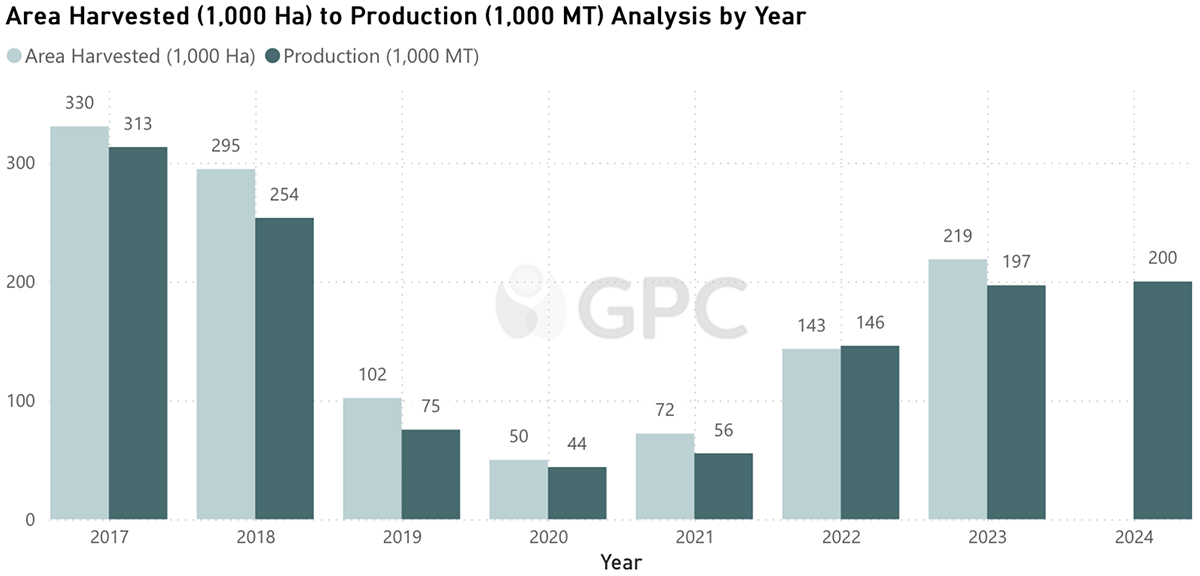
Pulse Atlas — Kazakhstan’s red lentil acres have climbed back up since their 2020 nadir.

Pulse Atlas data / Kazakhstan lentils / Red lentil acreage / Türkiye lentil trade / Global lentil supply


Disclaimer: The opinions or views expressed in this publication are those of the authors or quoted persons. They do not purport to reflect the opinions or views of the Global Pulse Confederation or its members.