September 9, 2026
With its strategic location, extensive logistics network and business-friendly tax environment, Dubai offers international companies a range of tools for expanding into regional and global markets. The Marketing Director at the DMCC China Representative Office outlined the infrastructure, incentives and trade-financing options available to companies establishing a presence in the emirate.
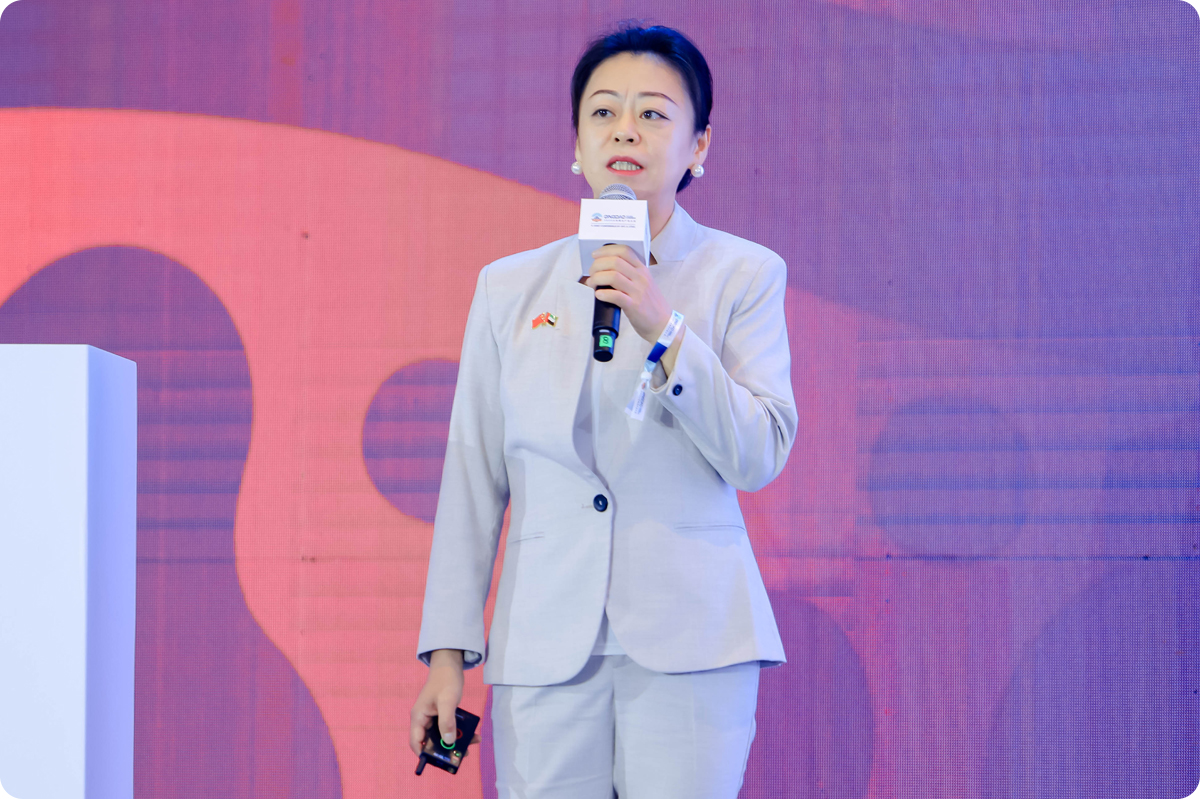
Dubai’s location gives companies access to a market stretching well beyond the Gulf, with the city’s air and maritime networks connecting it to major markets across Africa, India, Central Asia and Eastern Europe. Lei highlighted Dubai’s diversified economy, with non-oil activities accounting for around 77.5% of GDP in 2025, while China-UAE bilateral trade surpassed $100 billion in 2024. The UAE’s tax environment is another attraction for international businesses, with 5% VAT, a 9% corporate tax rate above the applicable threshold and no personal income or capital gains tax. Against a backdrop of changing global supply chains, these conditions are helping strengthen Dubai’s role as a base for companies seeking to establish or expand international operations.
At the center of this ecosystem is the Dubai Multi Commodities Centre (DMCC), established by the Dubai government in 2002 and now home to more than 26,000 companies from 187 countries and territories. Lei highlighted DMCC’s fully digital company-registration process, 100% foreign ownership and absence of foreign-exchange controls, alongside its commodity-focused infrastructure and trade-financing platform Tradeflow. The DMCC agricultural ecosystem is particularly relevant to commodity traders, supporting the movement and financing of products from global origins into markets across the Middle East, Africa and Central Asia. For pulse companies, the platform offers another potential route to diversify market access and build a broader international trading network from Dubai.
View the complete keynote presentation

Qingdao Pulses Congress / Lei Li / DMCC / Dubai / UAE / international trade / commodity trade / trade finance / global supply chains / China-UAE trade / Middle East / Africa / Central Asia


Disclaimer: The opinions or views expressed in this publication are those of the authors or quoted persons. They do not purport to reflect the opinions or views of the Global Pulse Confederation or its members.