October 22, 2026
India's pigeon pea prices are climbing as government targets for a larger crop look increasingly unrealistic. Climate concerns have cut expectations, leaving a market clamouring for imports or cheaper substitutions.

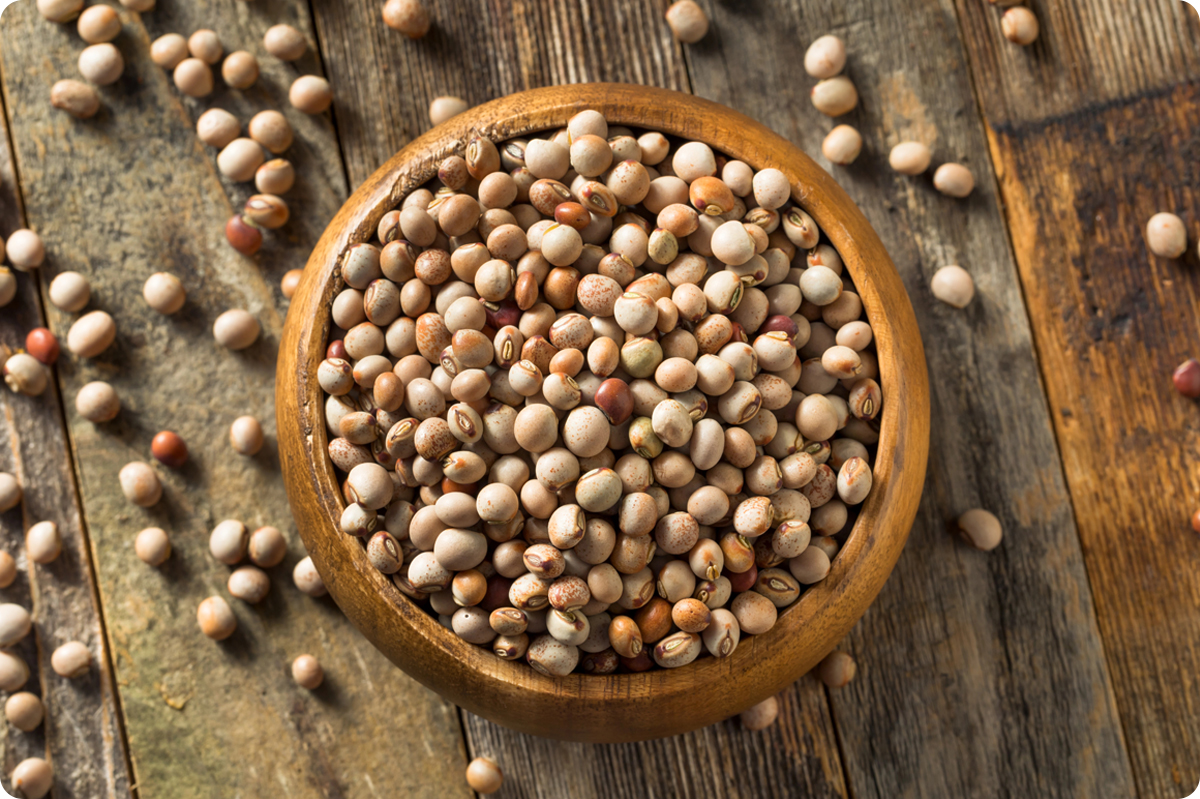
India’s tur market faces a tighter supply outlook for 2026-27, with industry estimates pointing to a smaller crop than last year and rising prices increasing the importance of imports.
India produced 3.59 MMT of tur (pigeon pea) in 2025-26, according to the government's third advance estimates, down slightly from 3.62 MMT the year before. Unlike mung, tur is almost entirely a kharif crop, so there is no summer harvest to make up for a poor season.
At a national level, tur planting rose this year, up to 4.73 million hectares (Mha), up from 4.6 Mha the year before, according to the Indian Ministry of Agriculture. It's important to note that planting fell in the traditional heartland: total pulse area dropped 14% in Maharashtra and 11.6% in Karnataka, which together grow around two-thirds of India's tur. Other areas like Uttar Pradesh, Telangana and Andhra Pradesh saw a year-on-year rise.
The government is targeting 4.0 MMT of kharif tur and has raised the minimum support price (MSP) by ₹450, up to ₹8,450 per quintal (100 kg). The first governmental production estimates for the season are expected in late November.
READ THE FULL ARTICLEIndian government target for tur compared with traders' predictions.
India's pigeon pea imports almost tripled between 2020 and 2025. Source: Pulse Atlas.

India pulse market / tur prices / pigeon pea production / pulse imports / pulse substitution / global pulse trade


Disclaimer: The opinions or views expressed in this publication are those of the authors or quoted persons. They do not purport to reflect the opinions or views of the Global Pulse Confederation or its members.