July 16, 2026
Binod Agarwal of SGR Group shares his outlook for India's kharif crop. He talks through production prospects, the impact of delayed rains, and the likelihood of key tariff changes over the months to come.

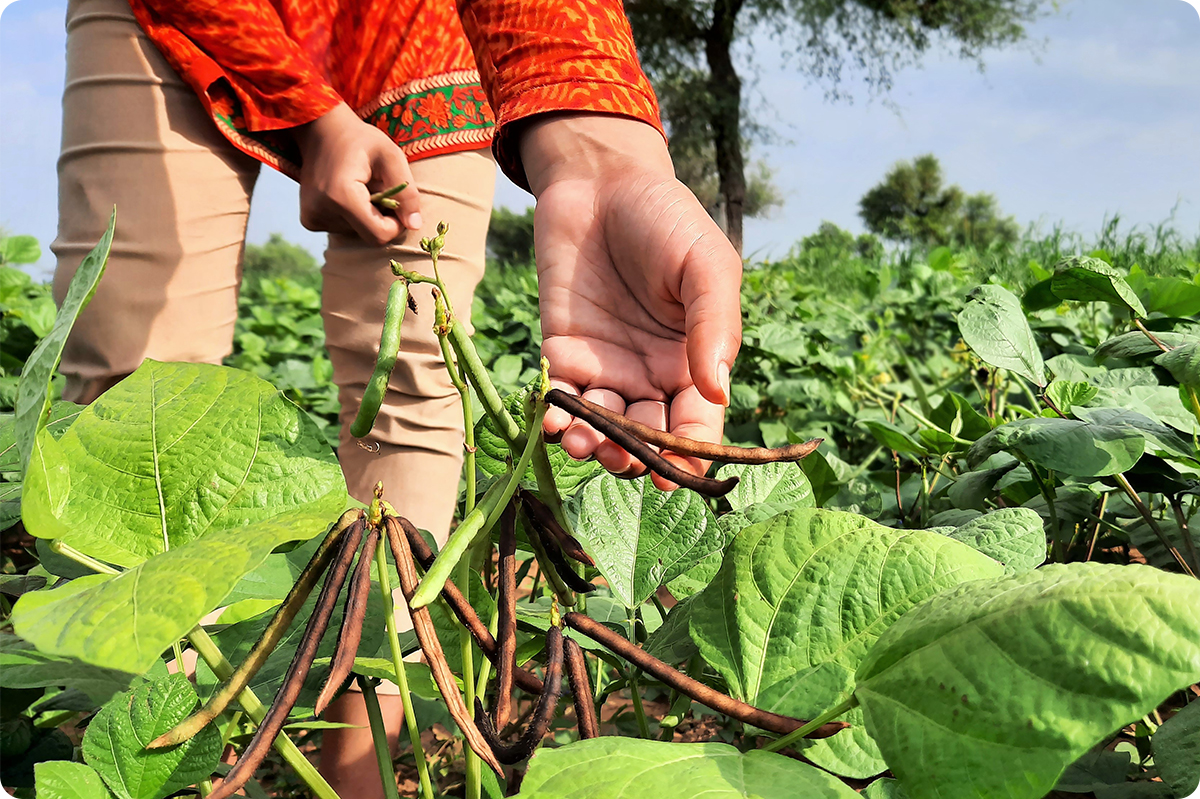
Delayed monsoon rains have slowed kharif pulse sowing across India, although planting deficits have narrowed in recent weeks and could improve further if expected August rainfall arrives.
“In 2026 we have an extra lunar month, which we call Adhik Mass, that will fall at the end of July throughout August. Generally the Monsoon starts in the month of Sravanmas (of the mythological calendar), but due to the extra lunar month, Sravanmas is going to come from 30th of July to end August this year.
Sravanmas is yet to start and we are expecting good rains in that month which may cover the current rain deficit. Right now, seedings are behind 16% because the farmers are waiting for that rain, but that 16% was more than 40% about 15 days ago. The closer we get to this lunar month, the more the deficit is reducing.”
READ THE FULL ARTICLE
Stronger prices for pigeon peas and black matpe are supporting India's broader pulse market, reducing expectations of near-term changes to import duties.

India pulse market / kharif crop / Monsoon outlook / agricultural policy / import tariffs / pulse production Stronger prices for pigeon peas and black matpe are supporting India's broader pulse market / reducing expectations of near-term changes to import duties.


Disclaimer: The opinions or views expressed in this publication are those of the authors or quoted persons. They do not purport to reflect the opinions or views of the Global Pulse Confederation or its members.