September 9, 2026
Pulses are moving beyond traditional food applications as advances in processing open new possibilities for protein, starch, fiber and other functional ingredients. The President of Yantai T. Full Biotech examined how deeper processing and evolving demand for plant-based products are creating new value across the pulse supply chain.
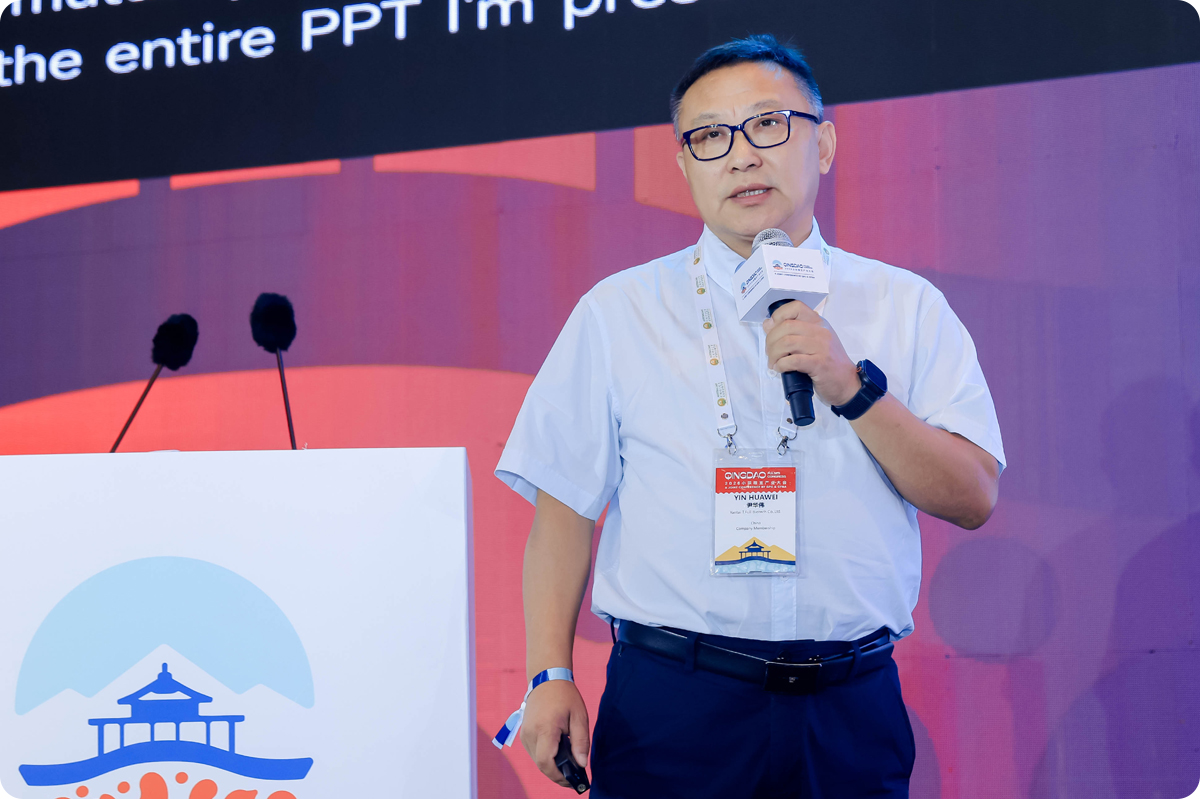
Yin outlined a progression from basic cleaning and processing to more advanced separation and extraction technologies, allowing individual components of pulses to be developed for specific applications. His company currently works with peas, mung beans, faba beans, chickpeas and lentils, extracting proteins, starches and dietary fiber for use in areas including plant-based beverages, baking and powdered drinks. He argued that pulses have particular potential as a foundation for the plant-based industry because of their nutritional profile, versatility, relatively controllable costs and efficient use of the whole raw material, including protein-, fiber- and nutrient-rich components.
The next stage, he said, is the development of more specialized ingredients and applications, including enzymatically hydrolyzed proteins, modified starches and functional ingredients for health-focused products. Yin traced this evolution through the development of pea protein in China, where demand initially grew rapidly before the market recognized the need for more specialized functionality. Increasingly specific requirements from food manufacturers are now driving further investment in processing technology, including performance, purity and standards for factors such as heavy metals and pesticide residues. As demand for plant-based nutrition continues to evolve, he sees closer integration between raw-material supply, advanced processing and downstream applications as key to unlocking more value from pulses.
View the complete keynote presentation

Qingdao Pulses Congress / Huawei Yin / Yantai T. Full Biotech / plant-based industry / pulse processing / plant protein / pea protein / pulse ingredients / food technology / dietary fiber / pulse starch / food innovation


Disclaimer: The opinions or views expressed in this publication are those of the authors or quoted persons. They do not purport to reflect the opinions or views of the Global Pulse Confederation or its members.