January 7, 2026
Fermentation is often associated with tradition, not transformation. Yet new scientific work suggests this ancient process may become one of the most precise tools for reshaping how pulses perform — nutritionally, functionally and, ultimately, commercially. Is innovation in pulses shifting from trend-led storytelling to science-backed changes that can be measured, repeated and scaled?

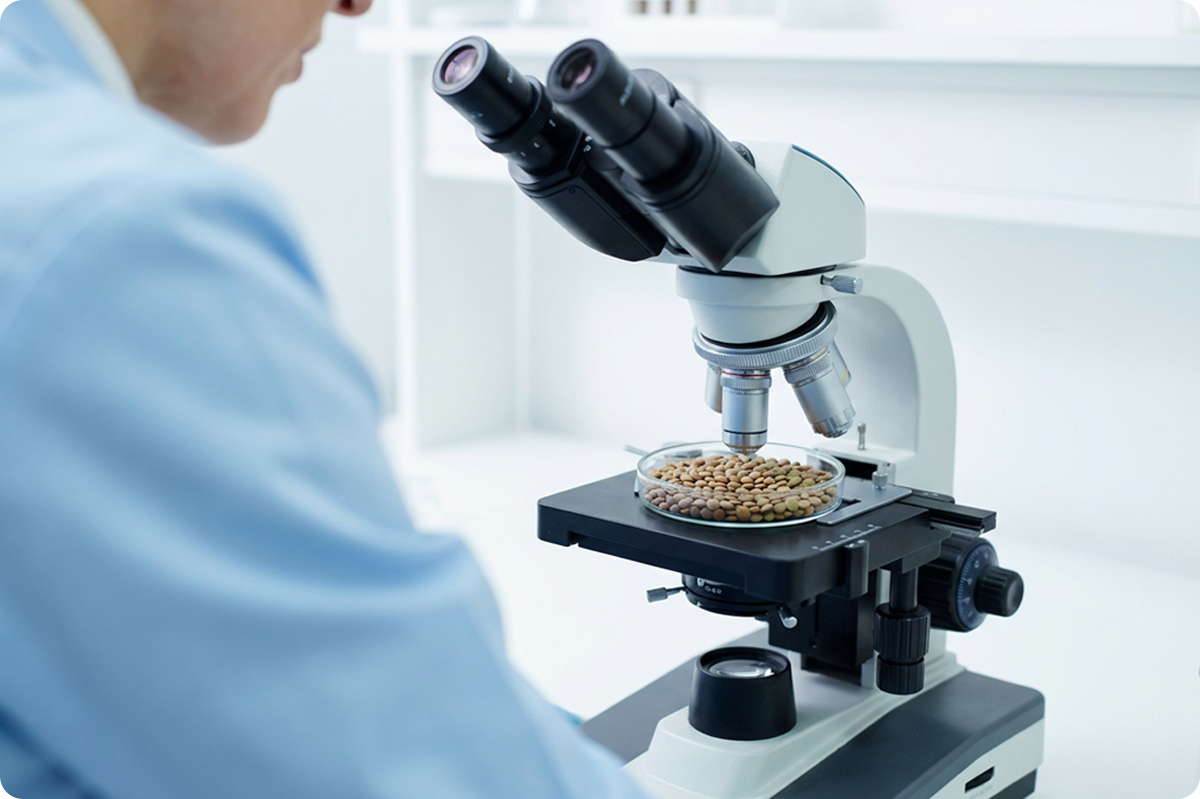
Fermentation research is showing how pulses can gain new functional value through precise microbial processing.
For decades, pulses have been framed as reliable basics: affordable protein, long shelf life, steady demand. But scientific work released at the end of 2025 suggests a deeper shift is underway. New research shows that fermentation — one of the oldest food processes known — is now being used to systematically modify the internal structure of pulses, unlocking nutritional and functional properties that could reshape how they are processed, positioned and valued.
A peer-reviewed paper published in December 2025 in the scientific journal Fermentation (MDPI), authored by Argentine academics and CONICET researchers, compiles recent work on fermented pulses and confirms that peas, lentils and beans are not only nutrient-dense by nature, but highly responsive to controlled microbial processing using lactic acid bacteria, yeasts and other microorganisms. The paper explains how the microbial enzymes from fermentation break down antinutritional compounds, improving mineral bioavailability and digestive tolerance without altering the crop itself.
At the same time, fermentation triggers the release of nutrients and bioactive compounds that are naturally present but previously bound within the seed structure, increasing their accessibility and functional potential.
Research summarized in the review also shows that fermentation reshapes the carbohydrate, protein and lipid profiles of pulses. Microbial amylases modify starch digestibility by reducing simple sugars and favoring the formation of resistant starch, a carbohydrate fraction associated with lower glycaemic response and improved gut health. Microbial proteases partially break down pulse proteins, improving digestibility and generating bioactive peptides linked to antioxidant and blood-pressure-regulating effects.
These changes are not theoretical. Experimental work conducted at the University of Illinois Urbana-Champaign, and published in the peer-reviewed scientific journal Antioxidants, measured how controlled fermentation reshapes pulse performance under laboratory conditions. Across multiple pulse varieties — including lentils, peas and beans — fermentation increased antioxidant activity by up to 83%, depending on process parameters.
The study also recorded significant inhibition of enzymes linked to post-meal glucose response, a biochemical marker widely used in metabolic health research. In parallel, fermentation increased soluble protein content and shifted carbohydrate fractions toward resistant starch, reinforcing the functional impact observed at a biochemical level.
For the pulse industry, these findings introduce a different kind of opportunity. Fermentation is emerging as a flexible bioprocessing tool, capable of differentiating pulse ingredients without genetic modification or new crop inputs. Value is created downstream, through how pulses perform in formulation, digestion and functionality, rather than through volume alone.
This direction aligns with outlooks from FAO and the Organization for Economic Co-operation and Development (OECD) that continue to position pulses as strategic crops for future diets, but adds a critical layer of precision. Pulses are increasingly being understood not just as commodities or protein sources, but as ingredient platforms whose properties can be tailored through processing choices.
The signal is subtle but significant. As fermentation moves from tradition into precision processing, pulses are beginning to shift category from reliable, familiar staples to ingredients competing on function, performance — and value shaped by science rather than storytelling.


Disclaimer: The opinions or views expressed in this publication are those of the authors or quoted persons. They do not purport to reflect the opinions or views of the Global Pulse Confederation or its members.