March 30, 2026
As the European Union prepares to significantly tighten its inspection regime for imported agri-food products, white bean exporters from two of the world's key supplying origins are navigating a landscape defined by stricter compliance demands, rising production costs, and intensifying competition for EU market share. We sat with experts to map the pressure points and the plays ahead.

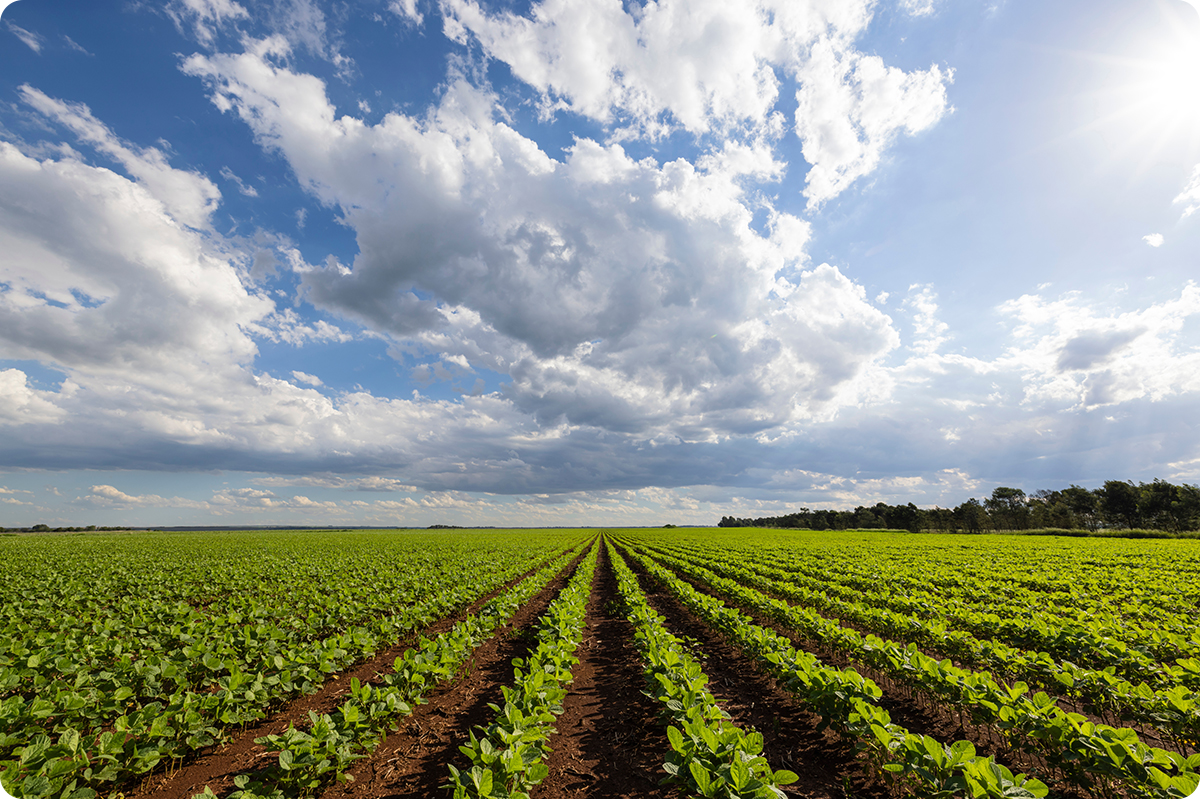
Argentina remains a reliable EU supplier, with a highly integrated production system aligned with strict pesticide and traceability requirements.
EU audit rates for non-EU suppliers are set to climb sharply from 33% in 2025 to a projected 51% by 2026, with particular scrutiny placed on pesticide residue levels and traceability documentation under the EU's pesticide MRL framework. For white bean exporters, this regulatory tightening is not a distant threat — it is already reshaping how they operate, invest, and position themselves in the market.
For Egyptian exporters, meeting EU standards has become a coordinated national undertaking involving exporters, farmers, and government authorities working in tandem.
Kerolos Atef Tadros, Director at Teekay & Danny International, describes a compliance ecosystem that has developed organically over time. "This has been a joint effort from us exporters, with the farmers and even the authorities," Tadros explains. "The exporters have shown the farmers what beans are needed, and through the years the farmers have learned what are the accepted MRL practices. Farmers will tell each other what are the accepted practices, as exportable beans are being sold at a higher price — so farmers are smart and always want to be paid a better price, so they follow the practices needed."
On the institutional side, Egypt's National Food Safety Authority has established a dedicated export department to ensure that shipment standards align with each destination market's requirements. Tadros noted that Egypt and Europe share a long-standing free trade agreement, and that documentation practices between the two are well aligned.
Beyond compliance, Egypt holds a structural advantage that is difficult to replicate: geography. Northern Egyptian ports and southern European ports share the Mediterranean Sea, meaning vessels can reach Greece, Italy, Spain, or Turkey in as little as two to seven days. "Compared to four to six weeks from South America, we have a very comparable advantage," says Tadros. "That gives buyers the opportunity to keep lower inventories as they can buy according to their needs and receive the beans with a very short transit period. Also, the short transit makes it less likely for any defects to occur, so buyers will receive fresher, better-coloured beans."
Egypt also benefits from two harvests per year — a summer crop and a winter crop roughly six months apart — giving exporters the ability to supply the market year-round and maintain stored inventory in quality-controlled facilities.
When it comes to competition, Tadros is direct about Egypt's positioning. "Egyptians are no longer competing on price. Egyptian white beans are known for their superior quality and great colour, and have been consistent year after year — which makes our beans reliable." This consistency, he argues, is Egypt's primary differentiating factor against South American origins pushing into the EU.
Looking ahead to 2026, Tadros flags two key uncertainties: the volume of acres planted in the upcoming summer crop, which is still too early to assess, and the ongoing geopolitical situation, which could push prices higher if supply tightens.
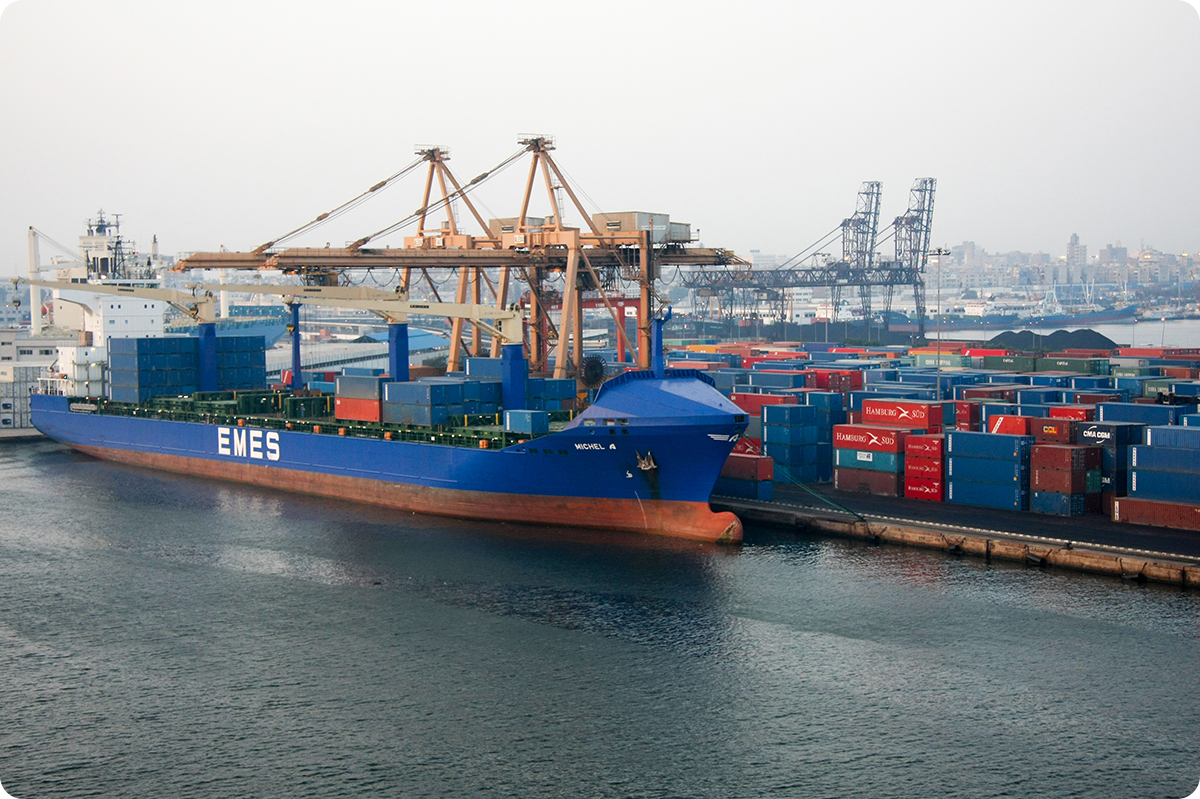
Geopolitical uncertainty and still-unclear summer planting volumes could push Egyptian white bean prices higher in 2026 if supply tightens.
Argentina's white bean sector enters 2026 with a strong compliance track record but faces a set of structural pressures that are beginning to weigh on its competitive position.
Nicolas Karnoubi, Director at Olega, is confident about Argentina's regulatory readiness. "Argentina is very well prepared regarding EU regulations for pesticide controls," he says, pointing to the high degree of vertical integration within the Argentine export sector. "A very high percentage of exporters and businesses control their own processing plants and their own plantings, or have agreements with independent farmers who deliver to specific processors. The farmers are very committed and very aware of EU regulations."
Karnoubi adds that Argentina has been operating within EU compliance frameworks for several years and is comfortable with the requirements. "I don't believe that the stricter regulations are going to be a problem for Argentina," he says. "This challenge will be taken head on."
However, the picture on market share is more nuanced. Karnoubi acknowledges that Argentina has lost some ground in the EU white bean market in recent years, partly due to unstable crop cycles. "We have lost a bit of share, especially in the last couple of years because of our unstable crops, which has resulted in Egypt gaining some good market share," he says. Despite this, he maintains that EU buyers still hold a strong preference for Argentine product when it comes to taste and cooking quality. "Based on my findings, major European companies prefer to work with the Argentine product."
On the supply side, the 2026 planting season has faced early disruptions. Karnoubi reports that excessive rainfall in northern Argentina has delayed planting by ten to twenty days, with 60-70% of the bean planting season complete at the time of speaking. "We need the rains to normalize, coupled with some heat, for the crop that is already planted and also for finishing the planting of the remaining 30-40%," he says.
More structurally concerning is the cost environment. Karnoubi describes 2026 as potentially the highest-cost planting year in the last decade for Argentine white bean producers, driven by across-the-board increases in production costs under the country's new government. "Every cost that adds up to the cost of production has increased — even small costs," he says. This has already contributed to an estimated 10-15% reduction in white bean planting area compared to last year, as farmers shift towards more profitable competing crops such as corn and soy. "If we don't get good prices for white beans, unfortunately in the coming years the area planted will keep decreasing," Karnoubi warns.
On the longer-term regulatory question, Karnoubi is cautiously optimistic. "Hopefully, EU regulations benefit Argentina. I think we deserve it. The bean production in Argentina is completely export oriented — we don't consume domestically, and hence we are completely committed to the export markets."
The picture that emerges from both origins is one of a market in transition. The EU's tightening regulatory framework is raising the bar for all suppliers, but both Egypt and Argentina appear well positioned from a compliance standpoint. Where the two origins diverge is in their competitive dynamics: Egypt is leaning into its proximity advantage and quality consistency, while Argentina is grappling with cost pressures, weather disruptions, and a period of recalibration following years of crop instability.
For EU importers, the message from both origins is clear — compliant, reliable supply remains available, but at a price. Whether the market rewards that reliability in 2026 will depend as much on weather and geopolitics as it will on regulatory readiness.

EU agri-food regulations / white beans market / Egypt white bean exports / Argentina white bean production / pesticide MRL compliance EU / global pulses trade.


Disclaimer: The opinions or views expressed in this publication are those of the authors or quoted persons. They do not purport to reflect the opinions or views of the Global Pulse Confederation or its members.