March 4, 2026
We can only speculate on how long this conflict will last, but its impact has already begun. Military action has disrupted logistics in the MENA corridor, with knock-on effects for the pulse trade. As the industry navigates rising freight surcharges and a tightening urea market, we analyze shifting flows, repercussions on price, and why the inherent resilience of pulses could protect them.

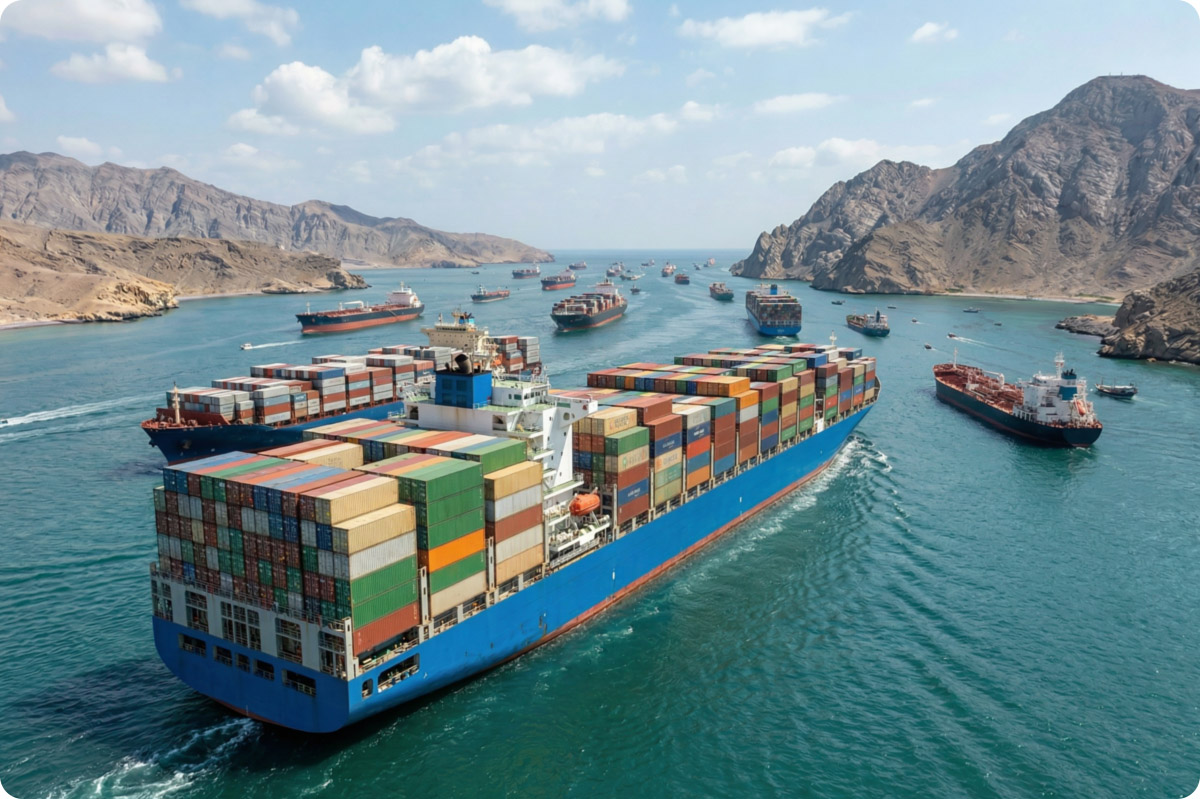
The closure of the Strait of Hormuz and the cancellation of war coverage by major marine insurers have forced a massive diversion of container traffic, with some operators reporting a 112% increase in vessels taking the route around the Cape of Good Hope.
The consequences of the ongoing conflict in Iran will be felt across the world in countless ways, many yet to be determined. However, for the pulse industry, it’s clear that two key pillars of the global pulse markets will be immediately affected: international maritime freight and agricultural inputs. Crude oil — essential in the creation of diesel — is seeing a spike in prices that could soon impact agriculture and shipping. The spread of attacks across the Middle East has created other shipping issues, such as insurance cancellation, emergency surcharges, and diversions that will delay cargo.
Fertilizer availability may also be restricted, with some of the largest fertilizer plants in the world working out of the Gulf. But the nitrogen-fixing qualities of pulses may protect them to some degree, especially compared to the larger threat posed by rising fuel and freight costs.
Traders will have to take these disruptions seriously and plan according to up-to-date information. With that in mind, we decided to discuss the potential effects on pulses and identify the key crisis points created by the hostilities.
READ THE FULL ARTICLEWhile international shipment delays mount, existing stocks in regional hubs may see a significant value increase as traders navigate the immediate repercussions of disrupted trade flows and rising maritime surcharges.

2026 Iran conflict / MENA logistics corridor / Strait of Hormuz closure / maritime insurance surcharges / fertilizer market volatility / agricultural input risks / geopolitical trade disruptions


Disclaimer: The opinions or views expressed in this publication are those of the authors or quoted persons. They do not purport to reflect the opinions or views of the Global Pulse Confederation or its members.