July 16, 2026
We sat down to chat with David Chen of Nanjing Bonagro to get an exclusive, comprehensive picture of the Chinese market. We discussed the impact of El Niño, import outlook for 2026, and what to expect from a domestic production hit by acreage drops and downsized yields.

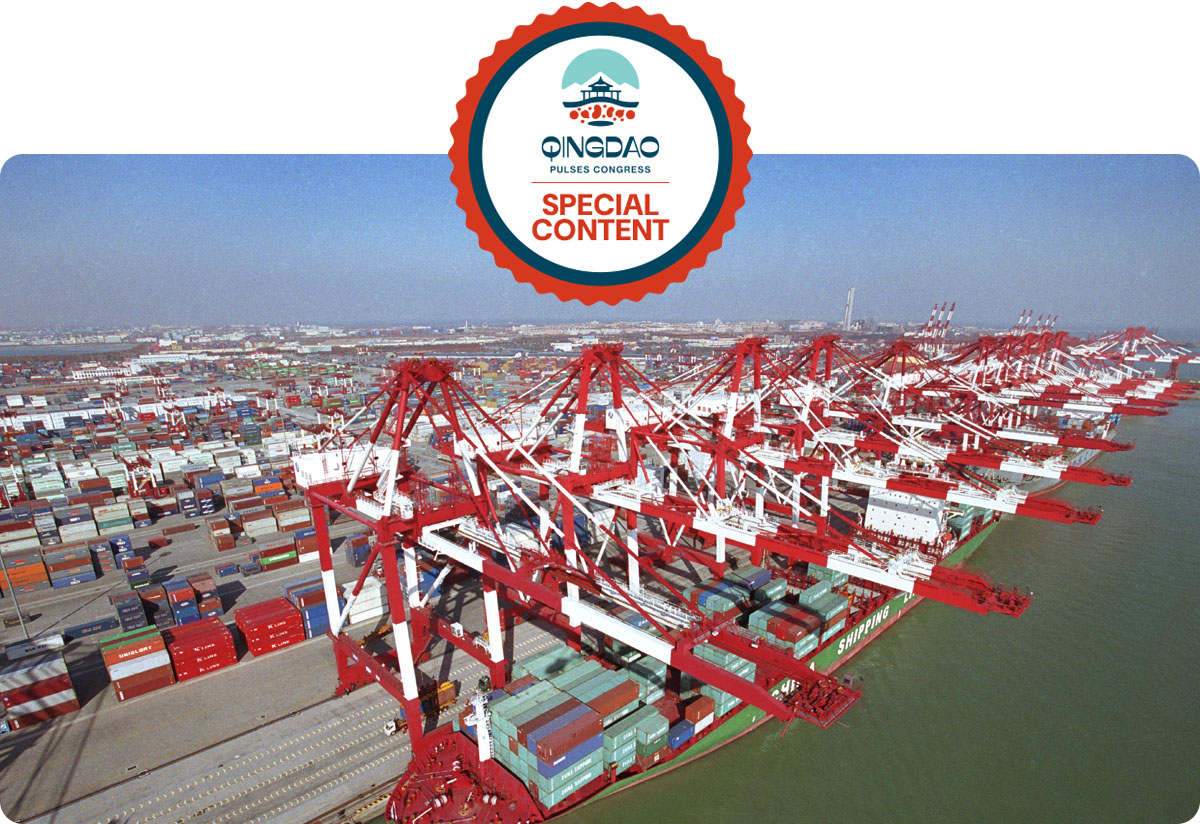
Qingdao serves as a major hub for China's minor pulse trade, connecting international suppliers with processing and trading networks across the country.
“In the northeast, Pinto bean area dropped sharply, down to a projected 30 KMT from 40 KMT. Some soybean fields switched to kidney beans due to the extreme weather; estimated yields are approximately 35 KMT. With 15 KMT carry-over, total supply should be approximately 50 KMT. Red and purple speckled kidney bean area is for approximately 40 KMT; estimated yield is around 50 KMT after replanting.
In Yunnan, large white kidney bean area fell 20% on decade-low prices, yielding approximately 30 KMT. Large black speckled kidney bean output rose to 2 KMT (from 1.5 KMT the previous year) due to higher prices.
For Shanxi and surrounding areas, dark red kidney bean acres remain low; Shanxi output is approximately 15,000 MT. Inner Mongolia and Zhangjiakou are stable. Returns below expectations keep the Shanxi area declining on a yearly basis, meaning total regional output is capped at around 20 KMT. With carry-over, total availability is approximately 30 KMT
For the Xinjiang region, Pinto (Cranberry) output is going to be approximately 4 KMT, which is mainly for the domestic market (Yunnan-Guizhou-Sichuan); it’s been stable in recent years.
Black and white kidney beans acres are scattered and there’s no precise data. Each small variety is estimated at around 5-6 KMT.”
“El Niño has hit bean yield and quality hard. Recent storms in the Northeast and Inner Mongolia threaten crops. Sustained rain through August–September harvest risks pod sprouting and rot, severely undermining output stability.”
“From January to May 2026, China exported approximately 38 KMT and imported around 15 KMT of kidney beans. Its trade volume remains modest compared with peas, mung beans and other pulses. The sustainability of this trend hinges on the normalization of freight rates and market recovery in destination countries.”
“China’s pea imports totalled roughly 925 KMT in the first five months of the year, including 540 KMT (58%) from Russia and 308 KMT (33%) from Canada. The resumption of China-Canada trade relations has buoyed the pea trade segment.
In May alone, China purchased 170 KMT of Canadian peas (green peas, maple peas included) at an average price of $355/MT, alongside 130 KMT of Russian peas averaging $295/MT. Russia and Canada stand as China’s primary pea suppliers.
Bulk carriers offer a distinct logistics edge for Canadian shipments, while China-Europe Railway Express services from Russia gain wide popularity for speed and efficiency. Competition for the new crop season has already commenced. Reportedly, new-crop Canadian peas traded at $302-305/MT via bulk vessels for southern Chinese ports. Russian Black Sea peas saw brisk transactions at $280–285/MT, with robust sales also recorded for peas shipped via railway from Novosibirsk. Unlike transparent transaction data for Canadian bulk cargoes, volumes moved by rail are difficult to forecast in advance.
Industry analysts estimate China’s port pea inventories stand at about 400 KMT, representing ample stock levels. A substantial uptick in imports from June to December will depend on whether peas can secure price competitiveness to penetrate China’s feed market. Should price advantages drive substitution demand, consumption over the coming months will show promising potential.”
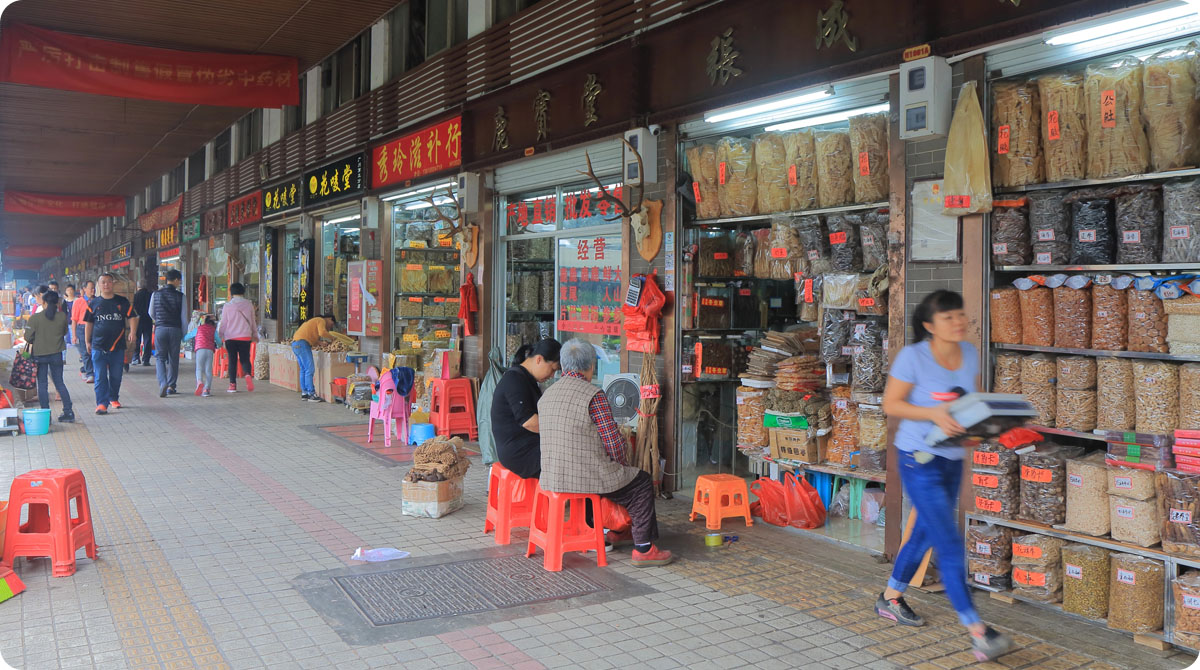
China's pulse market depends on a complex network of domestic processors and traders, connecting local production with evolving consumer and industrial demand.
“China is currently in peak mung bean consumption season, with mung beans ranking second by import volume among pulse varieties. China imported 580 KMT of mung beans last year; cumulative imports reached 250 KMT between January-May this year. Major supply origins are India (87 KMT), Uzbekistan (45 KMT), Myanmar (39 KMT), Thailand (31 KMT), Australia (24 KMT), and Ethiopia (21 KMT).
Ethiopian mung beans command the highest average price at $1,326/MT. They are primarily utilised for sprouting, whereas Indian mung beans carry the lowest average price at around $918/MT. Notably, peeled mung beans from India have entered the Chinese domestic market, exerting competitive pressure on local mung bean processors. Prospective market access for South American mung beans via official trade agreements merits close attention.”
“Unlike the venues of the previous two sessions, Qingdao serves as China’s core import hub for minor food pulses, home to dense concentrations of processing factories and aggregated trading firms. Attendees may conduct business negotiations with traders and conduct site visits to nearby processing facilities.
The world’s largest pea processing industrial cluster is located in Zhaoyuan, Shandong Province, which is approximately 150 kilometres from Qingdao. As a pivotal port, Qingdao delivers unrivalled first-hand insights into China’s minor pulse trade landscape.
We sincerely welcome all delegates to Qingdao and wish everyone fruitful order outcomes.”

Qingdao Pulses Congress / China pulse market / China pulse imports / China pea imports / China mung bean market / global pulse trade / pulse market outlook 2026


Disclaimer: The opinions or views expressed in this publication are those of the authors or quoted persons. They do not purport to reflect the opinions or views of the Global Pulse Confederation or its members.